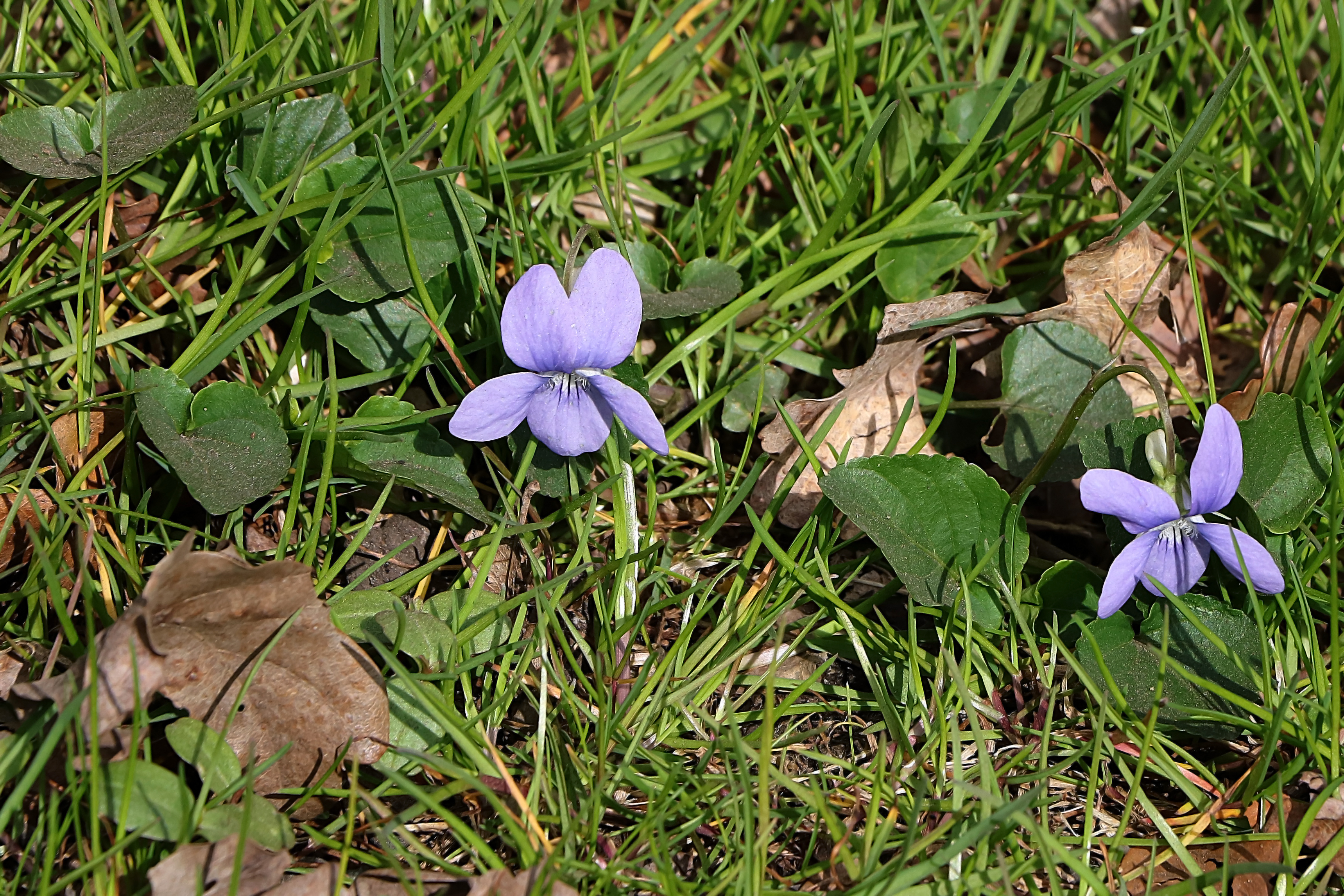
Common Name: okra; Lady's Fingers; Gumbo; Bhindi; Bamia
Identifying Character: Tall herbaceous plant up to 2m; palmately lobed leaves; large yellow flowers with red centers; elongated green pods with ridges
Distribution: Native to Africa; widely cultivated in tropics and subtropics; Asia; Americas; Middle East
Medical Uses: Allopathic: management of diabetes; constipation relief; Herbal: treatment of dysentery; ulcers; respiratory issues; TCM: for dry cough; constipation; Ayurvedic: for urinary disorders; inflammation; Naturopathic: cholesterol lowering; immune support; Homeopathic: for skin conditions; joint pain
Details

Common Name: musk mallow; Musk; Musk seed; Musk seed plant; Ro; Ambrette; Ambrette seed; Musk okra; Rose mallow; Muskmallow; Tropical jewel hibiscus
Identifying Character: Herbaceous plant with yellow flowers and musk-scented seeds
Distribution: Native to tropical Asia and Africa
Medical Uses: Allopathic: ; Herbal: nervous disorders; digestive issues; sexual debility; Ayurvedic: vata disorders; reproductive tonic; Naturopathic:
Details

Common Name: Canada pitch tree; Hemlock bark; Hemlock leaves; H
Identifying Character:
Distribution:
Medical Uses:
Details
Common Name: Carpenter's weed; Milfoil; Millefolium; Noble yarrow; Nosebleed; Old mans pepper; Sanguinary; Soldier's wound wort; THomeandleaf; THomeand seed; wound wort; Yarrow
Identifying Character: Aromatic perennial;
Distribution: Widespread in temperate zones; native to Europe, on all but the poorest soils.
Medical Uses: Ague; Amenorrhea; Anaemia; Appetizer; Bile stimulate flow; Bladder, mucus discharges, inflammation; Bleeding haemorrhoids, lungs, bowels, rectal; infusion of powder; Blood cleaner coughing and spitting of; Blood tonic and prophylactically building; Boils, fomentation, infusion, tincture, fluid-extract; Breath shortness of; Bright's disease; Bronchitis. ; Chicken pox; Colic; Colds. (Infusion); Coronary thrombosis; Cough; Diabetes; Diarrhea, (including infants); Dysentery; Dyspepsia; Enteritis; Eye Achilles used juice as a wash for redness; Fevers, (hot); Fistulas, ointment, poultice or suppository; Flatulence; Gallbladder; Gastric stimulates secretions; Gastritis; Hair falling; Hands chapped, wash/dec; Headache; congestive headache; Hematuria, infusion, fluid extract, tincture, powder; Haemorrhoids, retention enema; Hypertension; Incontinence; Indigestion; Influenza; Intestines false membranes; Jaundice; Lack of appetite; Leucorrhea, internal and douche; Liver; measles, infusion; menstrual excessive flow; menstrual regulates periods; Nervousness; Nipples sore; Perspiration, obstructed, promote; Processes inflamed; Quinine substitute; Respiratory tract acute catarrh; Rheumatism. ; "Running of the reins" in men and discharge of women decoction in white wine; Skin diseases, infusion; Smallpox; sores, dec/wash, poultice or ointment. Stomach gas, sickness, tonic; Styptic externally; Tabes of spinal marrow; TB of the lungs; Throat relaxed; Tonic for run down conditions; Toothache (fresh leaves); Typhoid fever; Ulcers; Urinary organs; Urine suppressed, scanty; Wounds;
Details
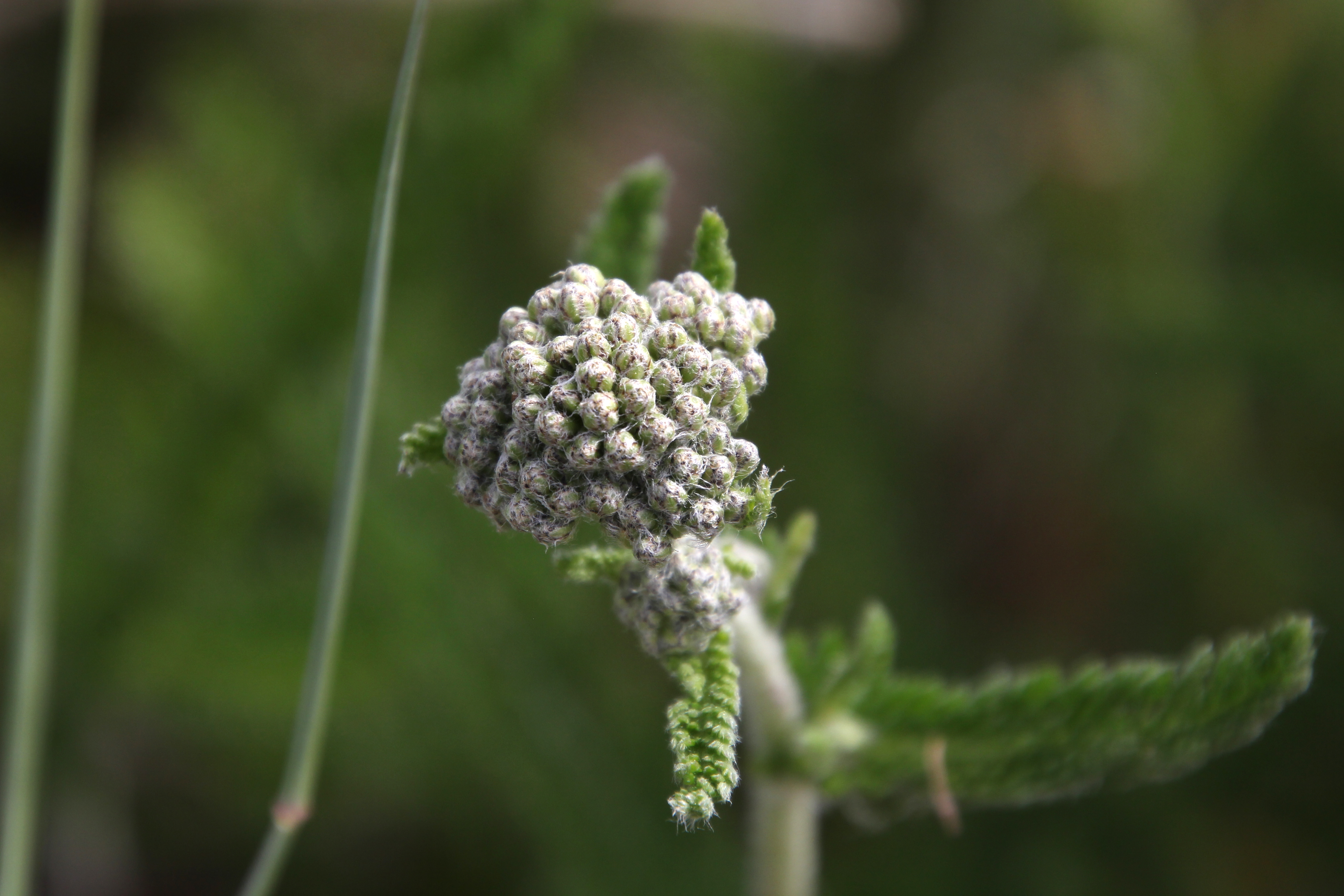
Common Name: Eurasian sweet-flag; Sweet flag
Identifying Character:
Distribution:
Medical Uses:
Details

Common Name: Russian knapweed
Identifying Character:
Distribution:
Medical Uses:
Details
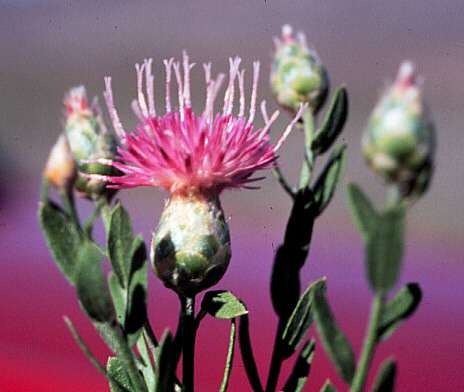
Common Name: Agrimony
Identifying Character:
Distribution: Native to south-east Asia, especially Sumatra; in mixed forests close to rivers.
Medical Uses: Antiseptic Genito-urinary; Bronchitis. , chronic Expectorant; Skin poultices, plasters, and directly in tincture; Mouth wash diluted; Mucous membranes, stimulating; HOMEOPATHIC:
Details
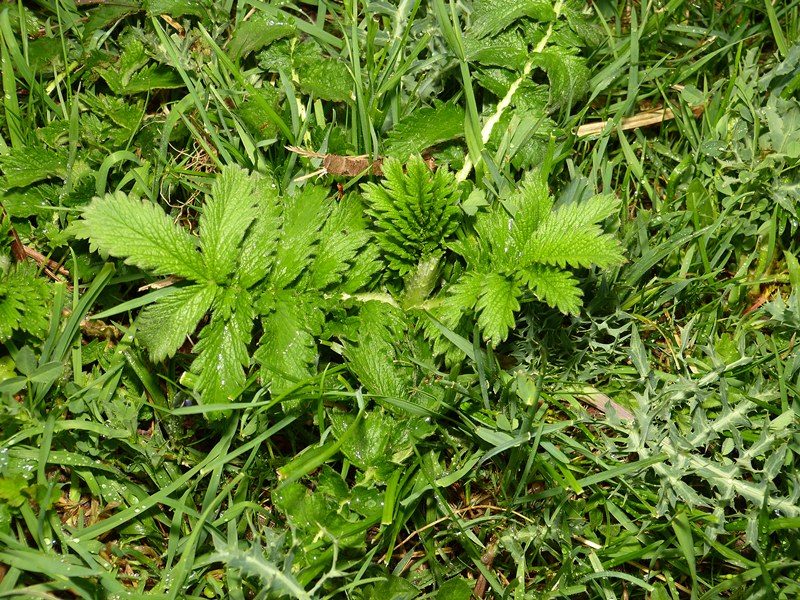
Common Name: tree-of-heaven
Identifying Character:
Distribution: Native to China naturalized to eastern North America
Medical Uses: Dyusentery; Diarrhoea; Asthma; Epilepsy; Palpitations; Dueche in Gonorrheea and leucorrhoea;
Details
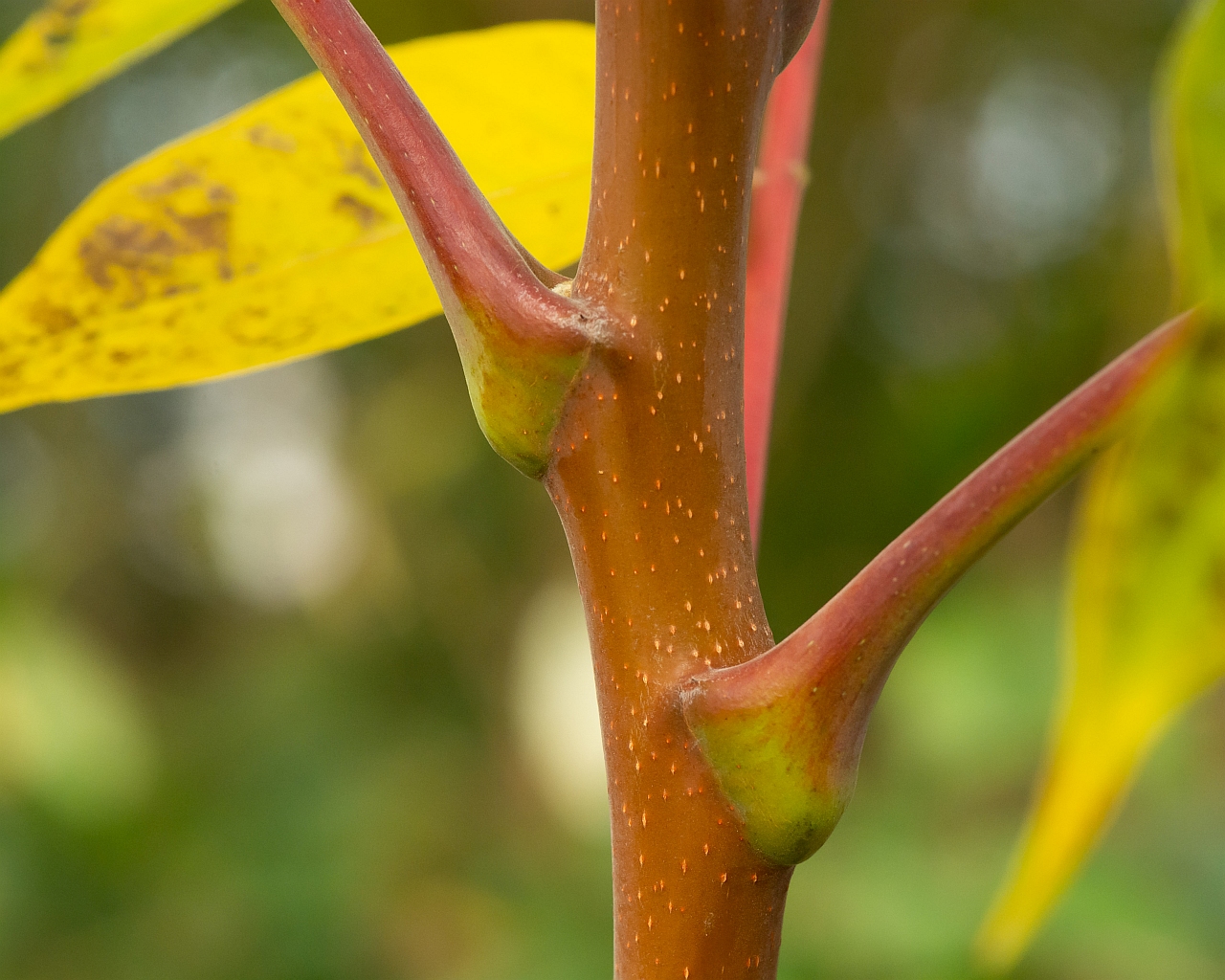
Common Name: Chinese sumach,
Identifying Character:
Distribution:
Medical Uses:
Details
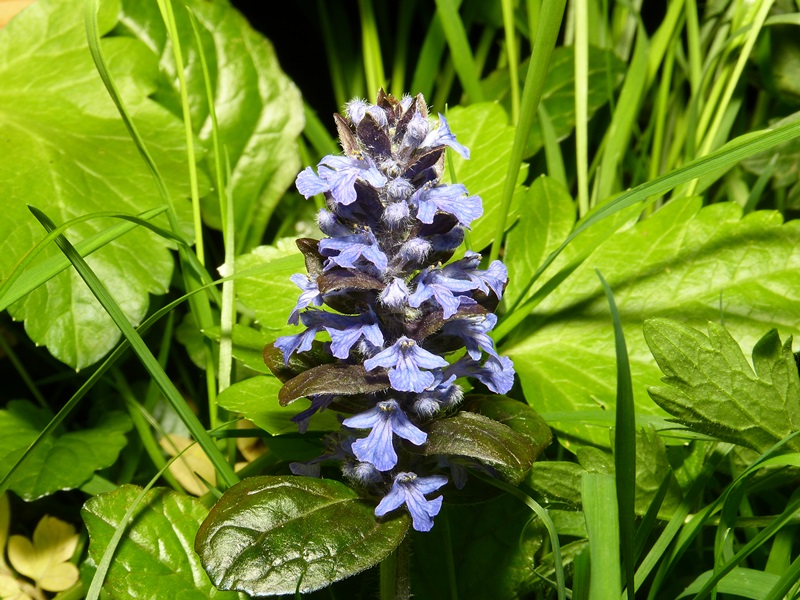
Common Name: bugle; Carpet Bugle; Common Bugle
Identifying Character: Low-growing perennial (6-12 inches), creeping stems, oval leaves with scalloped edges, blue or purple flower spikes
Distribution: Europe, North Africa, naturalized in North America
Medical Uses: Used for hyperthyroidism, anxiety, mild heart palpitations, and as a diuretic; leaves for wound healing
Details
Common Name: marshmallow; Marshmallow Root
Identifying Character:
Distribution:
Medical Uses:
Details

Common Name: Wormwood
Identifying Character:
Distribution:
Medical Uses:
Details
Common Name: Chamomile
Identifying Character:
Distribution:
Medical Uses:
Details
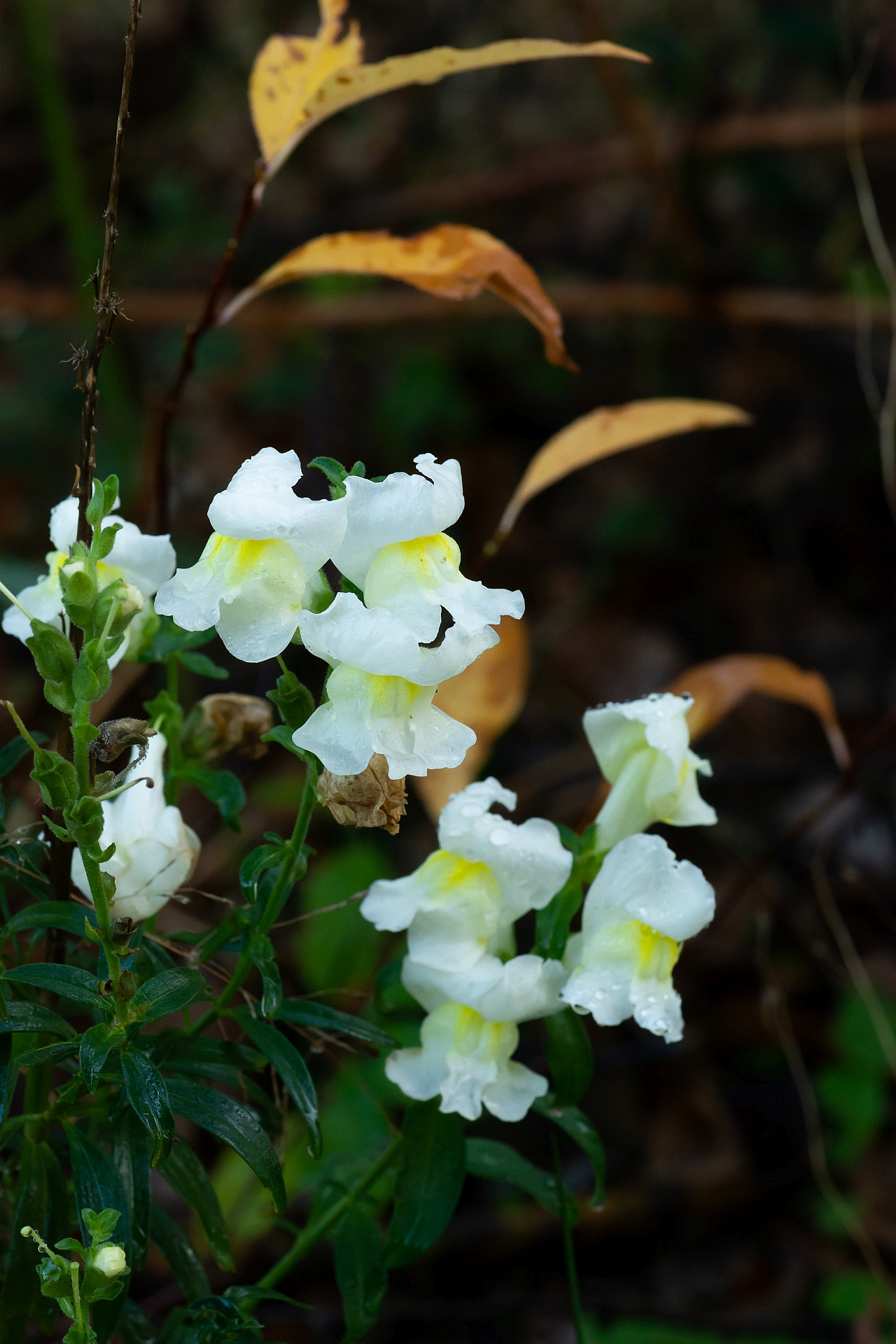
Common Name: snapdragon; Garden Snapdragon; Dog's Mouth; Lion's Mouth
Identifying Character: Perennial or annual (1-3 ft), erect stem, lance-shaped leaves, tubular snapdragon flowers in various colors (1-2 in), blooming summer to fall
Distribution: Native to the Mediterranean, cultivated worldwide
Medical Uses: Used for mild inflammation, urinary issues, and as a diuretic; leaves for poultices, flowers occasionally in teas
Details
Common Name: hemp dogbane; Dogbane
Identifying Character:
Distribution: A perennial with opposite leaves that secretes a milky sap when bruised or broken, reaching 5-6 feet
Medical Uses:
Details

Common Name: great burdock; Bardana; 4); Bardane; Burdock (2; Burdock root; Beggars's buttons; Burrburr; Burrseed; Clothburr; Cocklebur; Cockle-Button; Cockold-dock; fox's clote; Grass burdock; hardock. harebur (2 4; 5); Hill; Hurrbur; Lappa; Lappa minor; Lappa Tousntosa; Niu-ts'ai; Niu-p'ang-tzu; Pien-ch'ien-niu; P'ang-ch'ien-niu; Pien-futz\'u; Shu-nien; Stick-buttons; Ta-li-tzu; Thorny Burr; turkey burr; Wu-shish; Ye-ch\'a-t\'cu; Burdock; Pien-futz'u; Ye-ch'a-t'cu
Identifying Character: Biennial Asteraceae; STEM: 1st year none, 2nd year 2-7ft stout with wide-spreading branches, coarse LEAVES: alternate elongated; (coardate-oblong and rhubarb-like), heart-shaped leaves, large and wavy, Rough, fleshy, dentate, peiolate, whitish beneath. FLOWERS: purple, globular heads with a calyx of imbricated scale (burs or brackets) with hooked extremities for adhering lightly to objects. Bloom in July and August, ROOT: Nearly simple, fusiform or spindle-shaped, 1/5 - 4/5 " thick, 10-30 " long, brownish-gray externally Longitudinally wrinkled, annulate crown (often with a woolly tuft of leaf remains). somewhat horny fracture, dark cambium separates the thick outer bark from the yellowish or white porous, and radiate wood, hollow centre or contains white plit-like tissue inside. Powder: light brown. FRUIT: Achine, globoidal, 1/2- 1" broad, Imbricated scale with hooked extremities that adhere to anything, The red is obovate-oblong, angular, slightly curved, one-forth inch long brownish-gray to black wrinkled seed. One plant may produce 400,000(7). TASTE: root and seed Mulsilaginous, sweetish, slimy taste slightly bitter. Leaf and stem bitter. ODOUR: Slight
Distribution: Naturalized in North America, from Asia and Europe, along roadsides and in all vacant lots.
Medical Uses: It is one of the best alterative and depurative (blood-purifying) agents in nature but dose not nameeate,. Burdock root beneficially influences the skin, soothes the kidneys and relieves congestions of the lymphatic's, It increases the flow of urine and it is a useful agent for removing excess and fatty (adipose) tissue. Leaves Skin wash, poultices, wounds, Bruises, sprains, irritation. Astringent Blood purifier. ( 3, 5), Boils. (3, 5) , Burns ( 3, 5), Canker sores ( 3, 5), Catarrh ( 5), Colds. ( 5), Eczema. ( 5), Eruptions ( 5), Fevers ( 5), Gonorrhea ( 3, 5), Gout ( 5), Haemorrhoids ( 5), Itch. ( 5), Kidney and bladder troubles ( 3, 5), Poison Oak and Ivy rashes (2), Pimples ( 5), Psoriasis ( 5), Pulmonary affections ( 5), rashes ( 5), Rheumatism. ( 3, 5), Ringworm (5), Sciatica. (3), Scrofula (3, 5), Scurvy (, 5), Skin troubles (3, 5), Swellings (3, 5), Syphilis (3, 5), Urinary deposits (, 5), Wounds (3, 5) Seed Oily Deusratsart,; poultice for skin problems, for removing poisons. Diuretic, Laxative Root internal (contains, 27 to 45%% inulin) Diabetes, Rheumatism. , kidney, lymph, Cancer. (tincture of Seed) Kidney (seed), Wash for Acne. ( 5), hives, Boils. ( 5), dandruff, psoriasis ( 5) effective in fighting bacteria & fungi, lower blood sugar levels.
Details
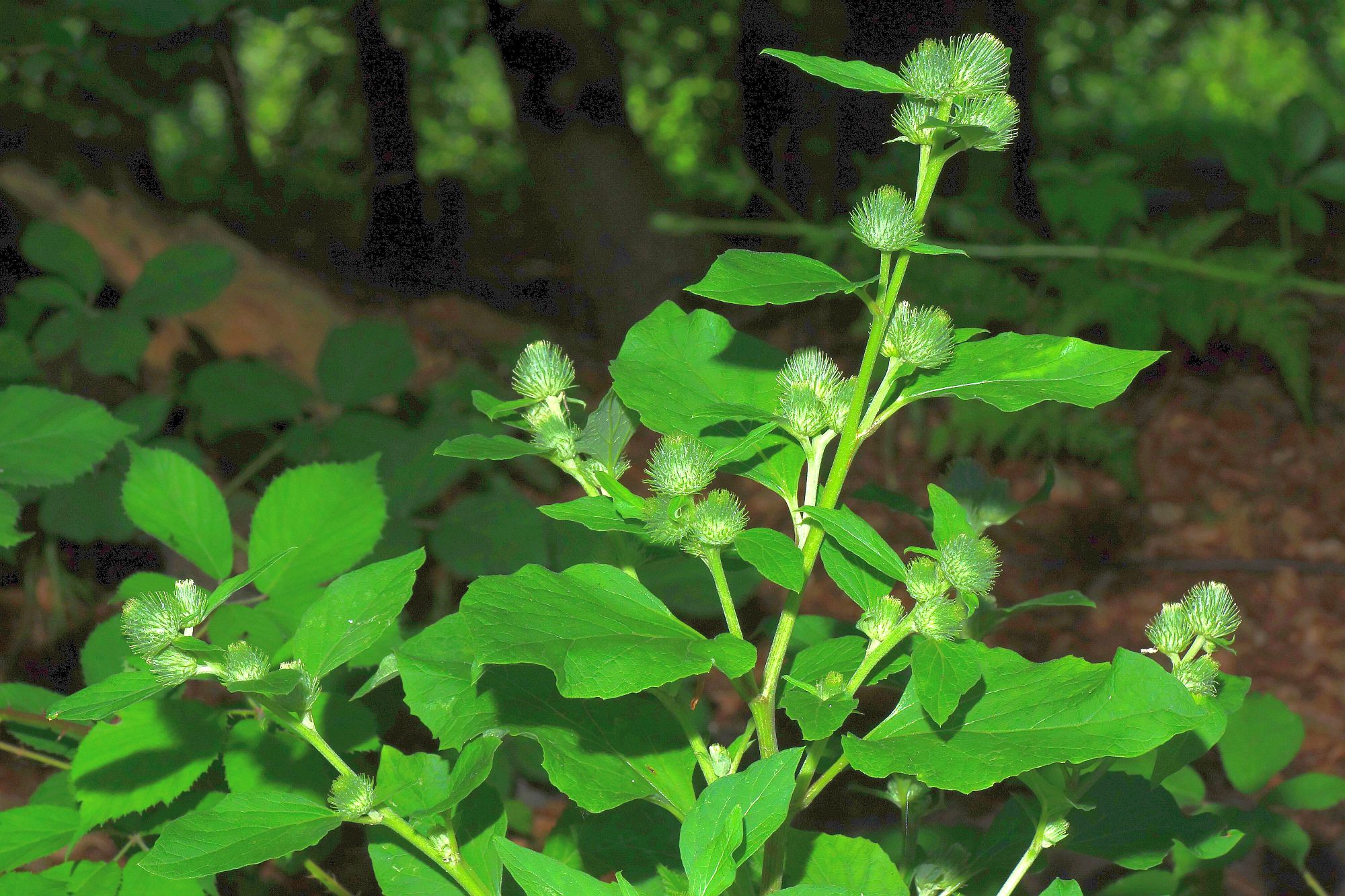
Common Name: great burdock; Bardana; 4); Bardane; Burdock (2; Burdock root; Beggars's buttons; Burrburr; Burrseed; Clothburr; Cocklebur; Cockle-Button; Cockold-dock; fox's clote; Grass burdock; hardock. harebur (2 4; 5); Hill; Hurrbur; Lappa; Lappa minor; Lappa Tousntosa; Niu-ts'ai; Niu-p'ang-tzu; Pien-ch'ien-niu; P'ang-ch'ien-niu; Pien-futz\'u; Shu-nien; Stick-buttons; Ta-li-tzu; Thorny Burr; turkey burr; Wu-shish; Ye-ch\'a-t\'cu; Burdock; Pien-futz'u; Ye-ch'a-t'cu
Identifying Character: BiennialAsteraceae;
Distribution: Naturalized in North America, from Asiaand Europe, along roadsidesand in all vacant lots.
Medical Uses:
Details
Common Name: Butterfly Flower; Silkweed; Virginia Silk
Identifying Character: Perennial herb (2-6 ft), erect stems with milky sap, broad oval leaves, pink-purple flower clusters, spiny seed pods
Distribution: Eastern and Central North America, naturalized elsewhere
Medical Uses: Traditionally used for respiratory issues or as a mild laxative (use with caution); not a primary medicinal plant
Details
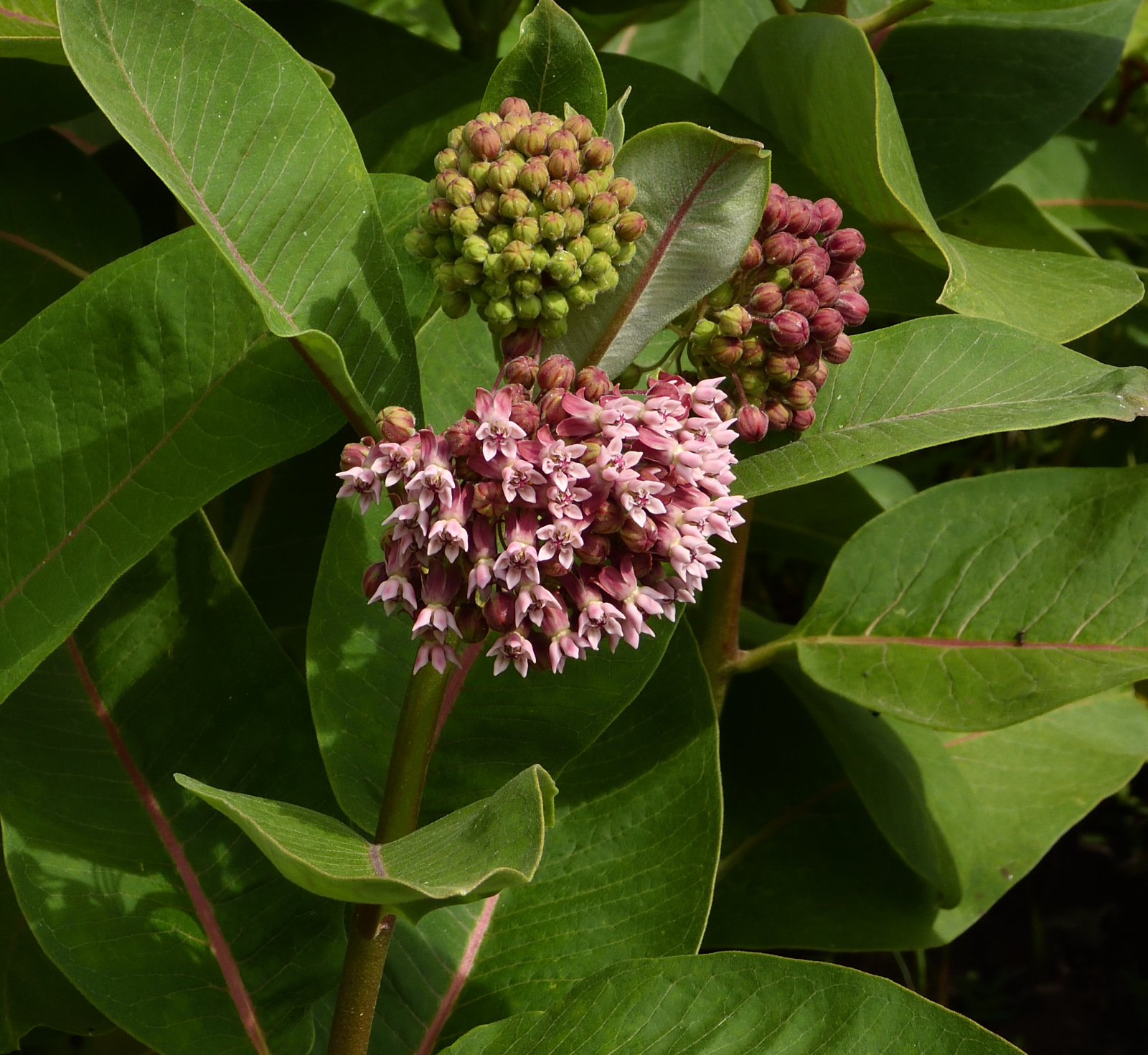
Common Name: Butterfly Milkweed
Identifying Character:
Distribution: Mixed grassland; Moist Mixed Grasslands; Aspen Parkland; Along Roadsides
Medical Uses:
Details

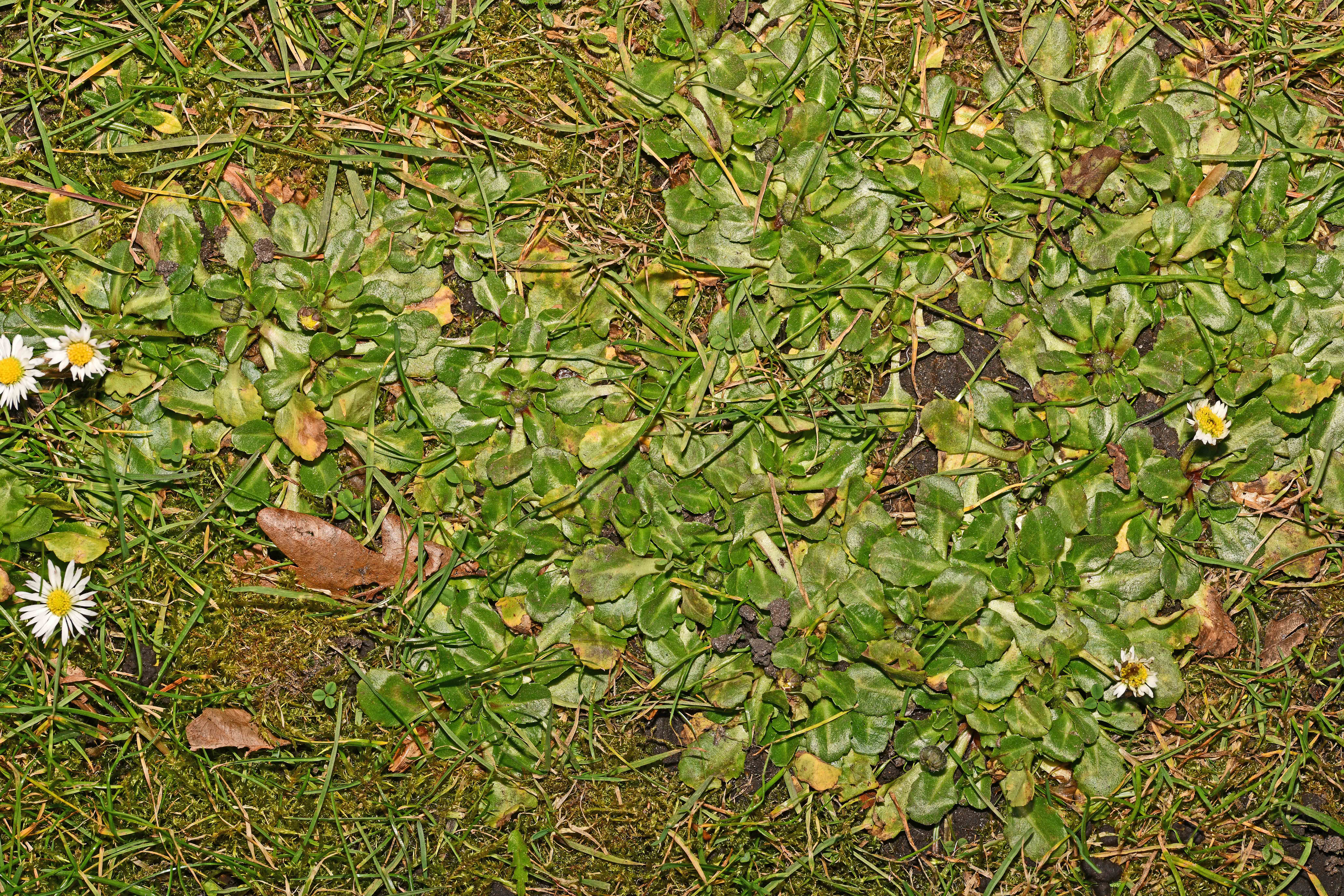
Common Name: English daisy; Common Daisy; Lawn Daisy; Bruisewort
Identifying Character: Perennial (2-6 in), low rosette stem, spoon-shaped leaves, white or pink daisy-like flowers with yellow centers (0.5-1 in), blooming spring to early summer
Distribution: Native to Europe, naturalized in North America and elsewhere
Medical Uses: Used for bruises, inflammation, urinary issues, and coughs; flowers for tea, leaves for poultices
Details
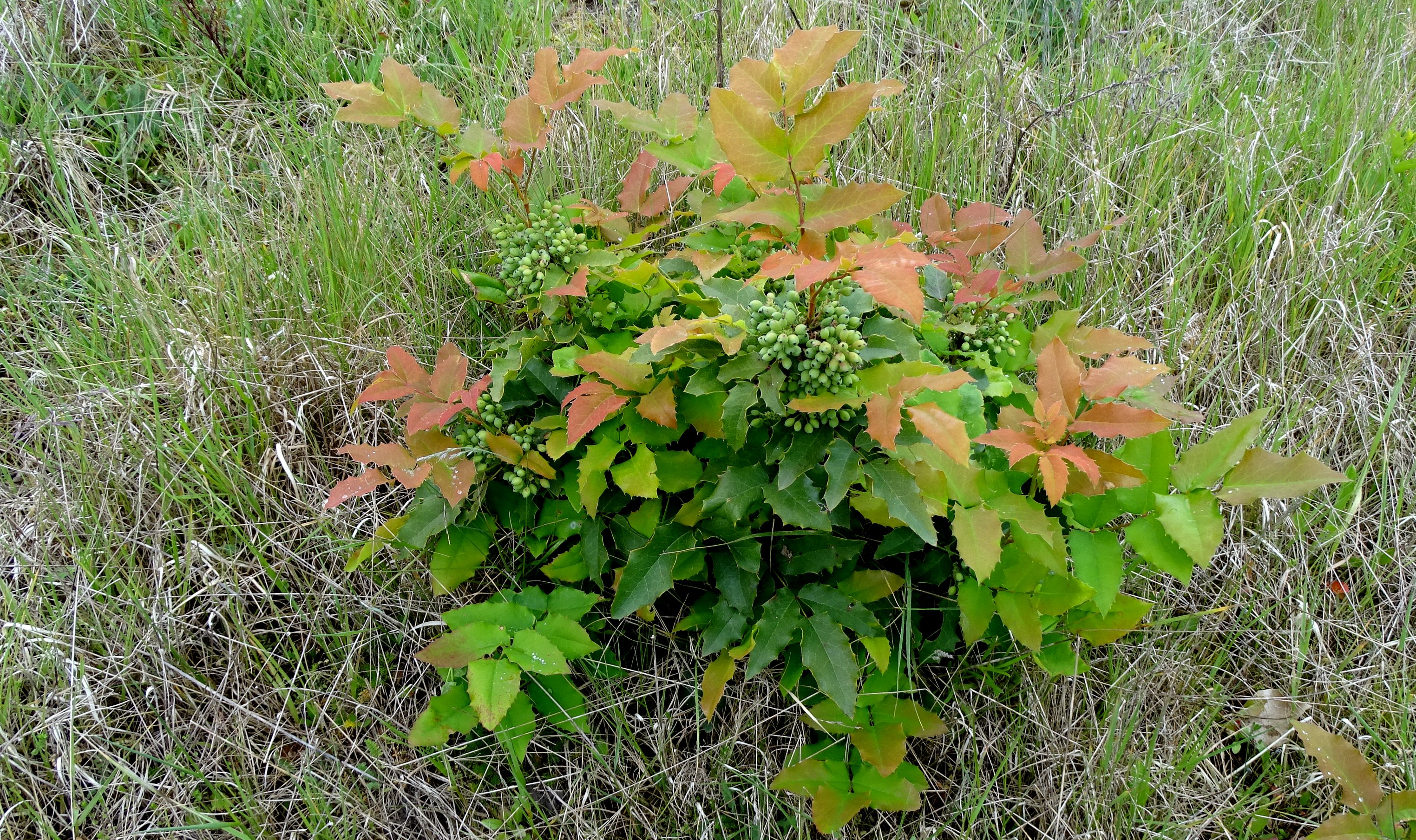
Common Name: hollyleaf barberry; Mahonia aquifolia. Holly-leaved Barberry. Oregon G
Identifying Character: It is a quickly-growing shrub about 6 feet high:
Distribution:
Medical Uses: syphilis and impure blood-conditions. It may be used like colombo, berberis, etc., in dyspepsia and chronic mucous complaints. In constipation it is combined with Cascara Sagrada. It improves digestion and absorption. Acne, Amoebas, Arthritis, Bloodshot Eyes, Boils, Candida, Cholera, Conjunctivitis, Debility, Diabetes, Dysentery, Eczema, Edema, Fever, Gallstones, Gastritis, Gastroenteritis, Giardia, Hangovers, Hepatitis, Herpes, Hypothyroid, Jaundice, Kidney Stones, Liver Stagnation, Malaria, Psoriasis, Salmonella, Scrofula, Shigella, Sore Throat, Spleen Enlargement, Staphylococcus, Syphilis Internal Applications: Tea, Tincture, Capsules. The antibacterial properties of the alkaloid berbamine have shown activity against Staphyloccus, Streptococcus, Salmonella, Shigella and Eschorichia Coli. It has antimicrobial properties that are especially beneficial for the skin and intestinal tract. It helps to dilate blood vessels and thus lower blood pressure. Mahonia is more effective for chronic liver problems.opical Uses: Boils, Conjunctivitis, Itchy Skin, Pyorrhea, Sore Throat, Wounds Topical Applications: Eyewash for infections such as conjunctivitis and bloodshot eyes. Berries made into a gargle for sore throat. Use as a mouthwash or apply directly to gums for pyorrhea. Use as salve or wash for itchy skin, boils and wounds. Culinary uses: Berries can be cooked, made into jams and syrup, and candied. Berries are edible raw, and the juice is often used as a substitute for lemon juice. Energetics: Bitter, Cold. Good for all infections and hot skin conditions, both acute and chronic, including acne, chronic dermatitis, rashes, herpes, itching and scaly conditions such a s eczema and psoriasis. Infectious hepatitis (esp. B), Jaundice, liver stagnation, periodontal disease, liver stagnation, Constipation and indigestion, all infectious diseases of the genitourinary tract especially with discharges. Chronic candid, stimulates thyroid. Used by the Native Americans as an anti-septic and detoxifier. It is used externally to disinfect open wounds, boils, acne, and eczema. Power to ground and promotes security
Details
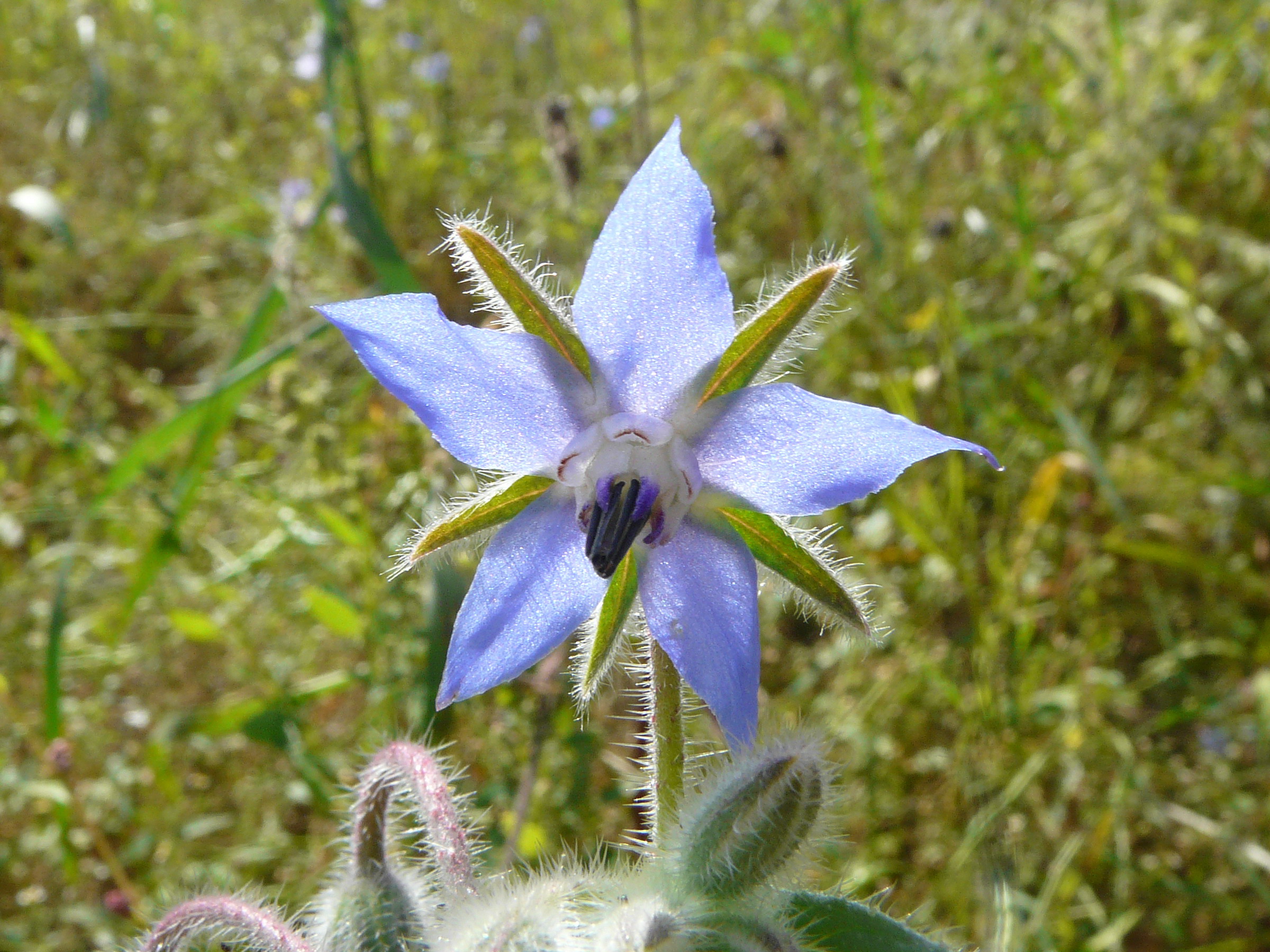
Common Name: Borage; Starflower; Cool Tankard; Borrache
Identifying Character: Annual herb (1-2 ft), erect bristly stem, broad oval leaves with bristly hairs, star-shaped blue flowers (1 in) with black anthers, blooming May-September
Distribution: Native to the Mediterranean, naturalized in Europe, North America, and elsewhere
Medical Uses: Used for respiratory issues, fever, urinary complaints, inflammation, and as a mild diuretic; leaves for poultices, seeds for oil (GLA content)
Details
Common Name: brown mustard; Indian Mustard; Oriental Mustard; Leaf Mustard
Identifying Character: Annual (up to 120 cm), erect angular stem, lobed leaves with toothed margins, yellow flowers with four petals (0.5 in), blooming late summer to fall
Distribution: Native to the Himalayas, cultivated in India, Canada, Europe
Medical Uses: Used for respiratory issues, digestive aid, skin irritations, and as a stimulant; seeds for poultices, leaves as greens
Details

Common Name: broccoli; BroccoliItalian broccoliSprouting broccoli
Identifying Character: Annual or biennial herb, 60-90 cm tall, forming dense green heads of flower buds; cabbage family (Brassicaceae); sulfurous aroma when cut.
Distribution: Cultivated worldwide; originated in eastern Mediterranean and Asia Minor; thrives in temperate climates.
Medical Uses: Conventional: High in vitamins C and K, fiber for cardiovascular health, bone support, and cholesterol reduction. Naturopathic: Detoxification, anti-cancer (breast, prostate, colon), blood sugar regulation. Herbal: Anti-ulcer, hepatoprotective. TCM: Clears heat, supports spleen qi for digestion. Ayurvedic: Digestive tonic, reduces ama (toxins).
Details
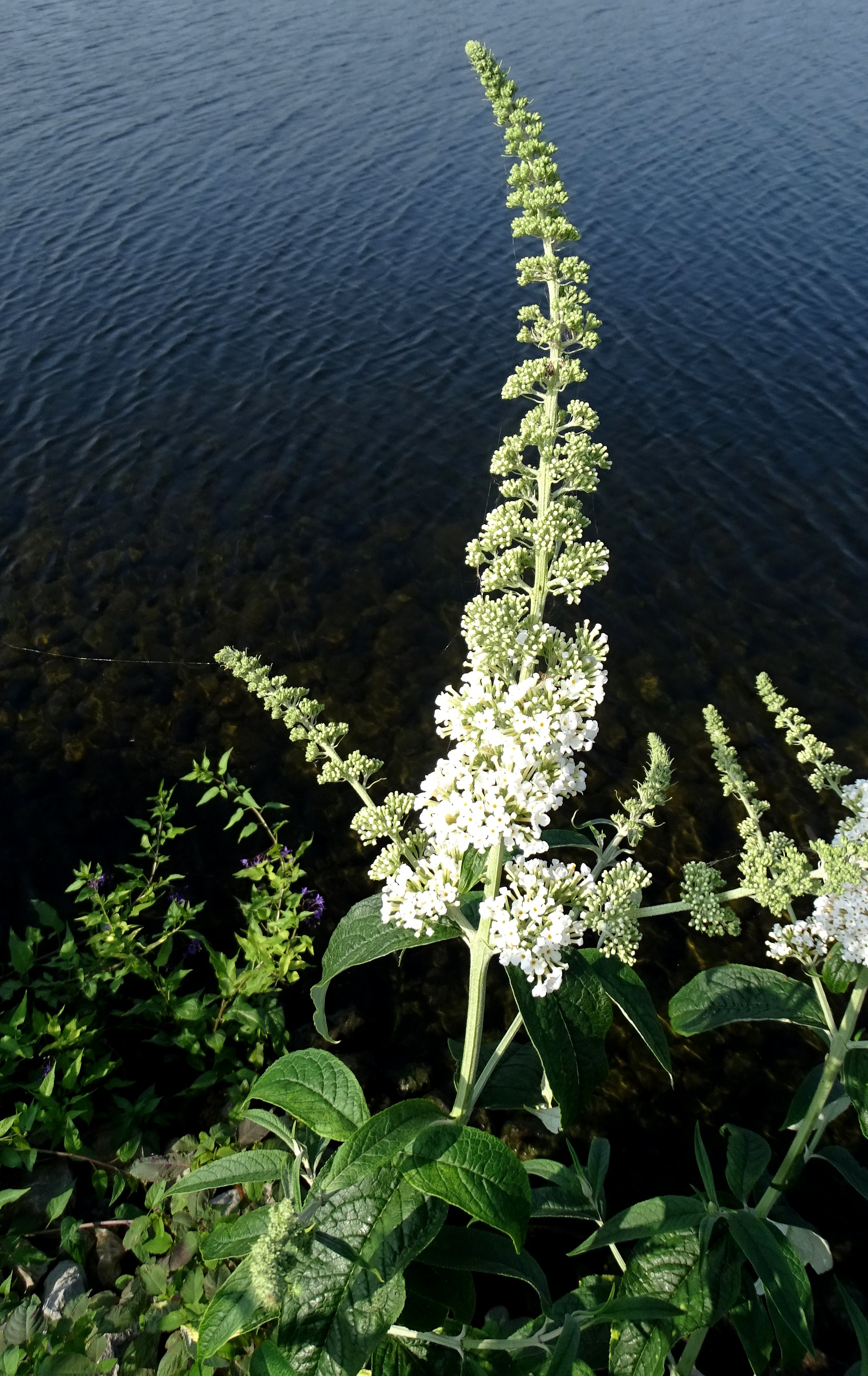
Common Name: summer lilac; Orange-eye Butterfly Bush
Identifying Character: Deciduous shrub (5-15 ft), arching stems, lance-shaped leaves with white undersides, fragrant purple or white flower panicles (6-12 in), blooming summer to fall
Distribution: Native to China, naturalized in Europe and North America
Medical Uses: Used for inflammation, minor wounds, and as a diuretic; leaves for poultices, flowers occasionally in teas
Details
Common Name: pot marigold; Calendula; Chin-chang-hua; Garden Marigold; Marigolds; not related to african or Mexican marigolds
Identifying Character: Annual; Biennial Rarely; COMPOSITAE;
Distribution: Mediterranean native; distributed throughout the world as a garden plant.
Medical Uses: Leaves & FLOWERS: Acne. ; bruises; burns; cuts; disorders; Eczema. ; sedative & hypotensive; (in animal tests); skin; ulcers; warts; Flowers; infusion, Anaemia; Arteries; Bile promote flow; Bronchitis. ; Colds. ; Colitis; Conjunctivitis; Duodenal ulcers; Fevers; Inflammatory Skin Lesions; Leg ulcers; Leucorrhea (dried flower or fresh juice); Lymphatic nodes, Inflammation of; menstrual cramps; Open Lesions with bleeding 1-10 dilutions; Vaginal and cervix irritation (douche or tampons dressing); Veins;
Details

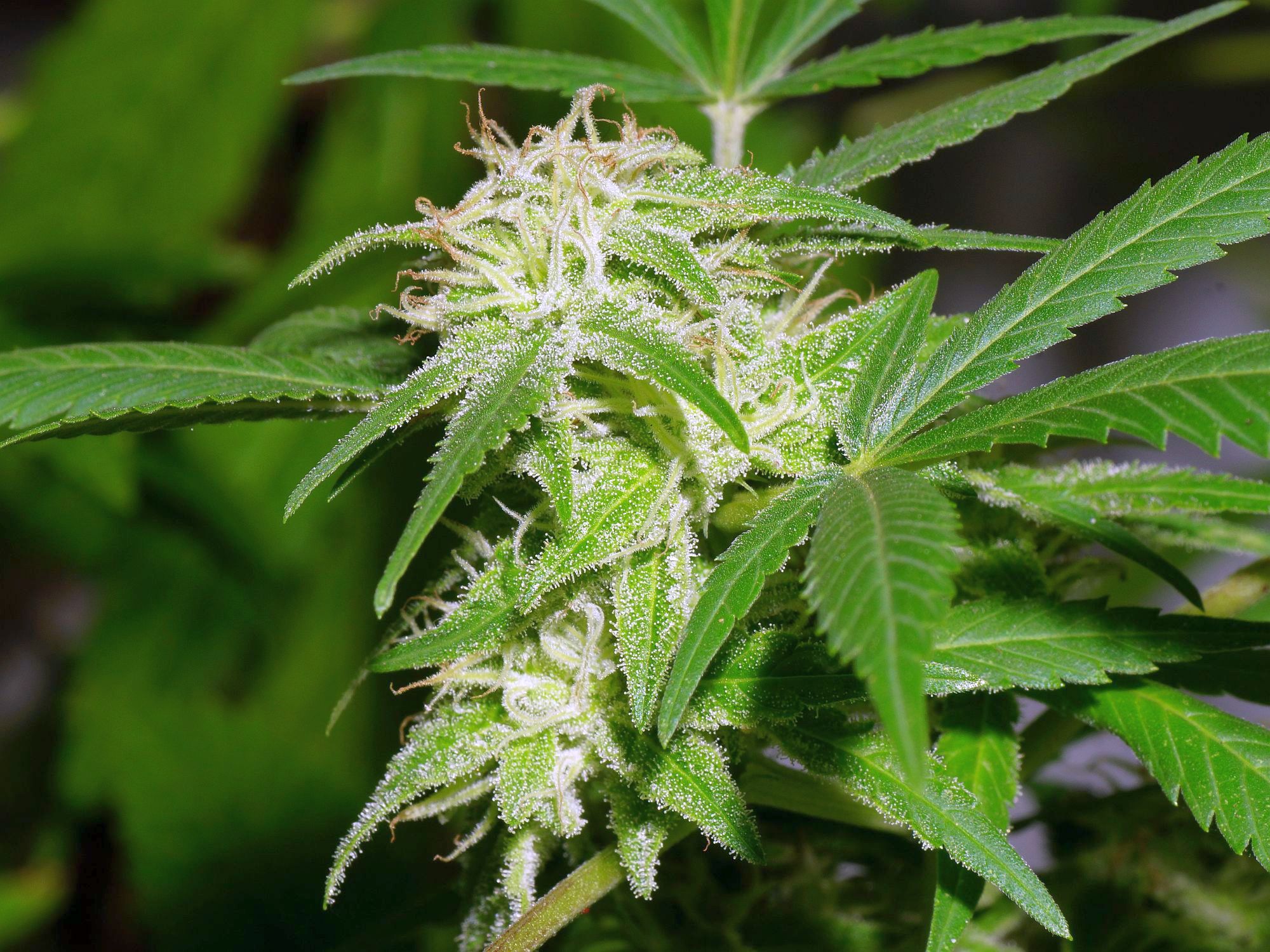
Common Name: Hemp; Pot; Marihuana.; Indian Hemp; Leaves and smaller stocks dried and broken coarsely; and intermixed with a few capsules; is known as bhang (Hindustan); siddhi (Bengal); sabi(Bombay; andhashish(Arabia). Flowering and fruting tops; from which the resian has not been removed ganja; ganjah; gunjah in India and guaza in London and other drug markets.
Identifying Character: Annual Urticaceae. Cannabis sativa is a herbaceous annual growing from;
Distribution: indigenous to Persia and northern India. Naturalized in North America, Brazil, and Europe. Native to south-east Asia, especially Sumatra; in mixed forests close to rivers. PARTS USED; Leaves, Flowers, Resin from flowers.
Medical Uses: , Glaucoma, Tumors, nameia reief(eg Aids, Cancer. therapy, seasickness), Epilepsy, M.S., Back Pain & mucle spasms, Antibiotic CBD Disinfectants, Arthritism, herpes, Cystic Fibrosis, Rheumatism. , Sleep Relaxation, Lowers Blood pressure, Dilates the arteries and reduces body temp. MS;
Details
Common Name: sweet pepper; Cayenne; Red Chili; Hot Pepper
Identifying Character: Annual or perennial (1-4 ft), erect branched stem, ovate leaves with smooth edges, small white star-shaped flowers (0.5-1 in), blooming summer, producing long red cayenne peppers
Distribution: Native to Central and South America, cultivated worldwide
Medical Uses: Used for pain relief, infections, digestive issues, and as a circulatory stimulant; fruits for tinctures, leaves for poultices
Details
Common Name: Cayenne;
Identifying Character: ;
Distribution:
Medical Uses: ;
Details
Common Name: American chestnut
Identifying Character: Large deciduous tree (up to 100 ft), grey-brown bark with deep fissures, serrated oblong leaves, yellowish catkins, spiny burs with nuts
Distribution: Eastern North America (historically), now limited due to blight
Medical Uses: Used for coughs, bronchitis, diarrhea, and as a general tonic; nuts for nutrition and inflammation
Details

Common Name: American chestnut
Identifying Character:
Distribution:
Medical Uses:
Details
Common Name: Common Hackberry, American Hackberry, Northern Hackberry, Beaverwood, Nettle Tree, False Elm', key_name,'Hackberry
Identifying Character: Tree with warty bark; leaves are asymmetrical, coarse-textured, and serrated. Produces small, dark purple berries in autumn.
Distribution: Native to central and eastern North America, from southern Canada south to Texas and east to Georgia
Medical Uses: 'The bark has been used for its demulcent properties, aiding in soothing the digestive tract. Leaves and fruits are rich in antioxidants which might help in reducing inflammation and supporting immune health. Historically, Native American tribes used the tree for treating sore throats, menstrual disorders, and digestive issues. There is also evidence suggesting potential benefits in cancer prevention due to certain phytochemicals.'
Details
Common Name: Eastern Redbud American Judas Tree; Canadian Redbud
Identifying Character: Deciduous tree or shrub (15-30 ft), multi-trunked with a rounded crown, heart-shaped leaves, pink to purple flowers on stems and trunk, blooming May-June
Distribution: Native to Southern Ontario, eastern North America from New Jersey to Florida, west to Michigan and Texas
Medical Uses: Flowers used for colds, sore throats, and as a mild diuretic; leaves occasionally for poultices; limited evidence
Details

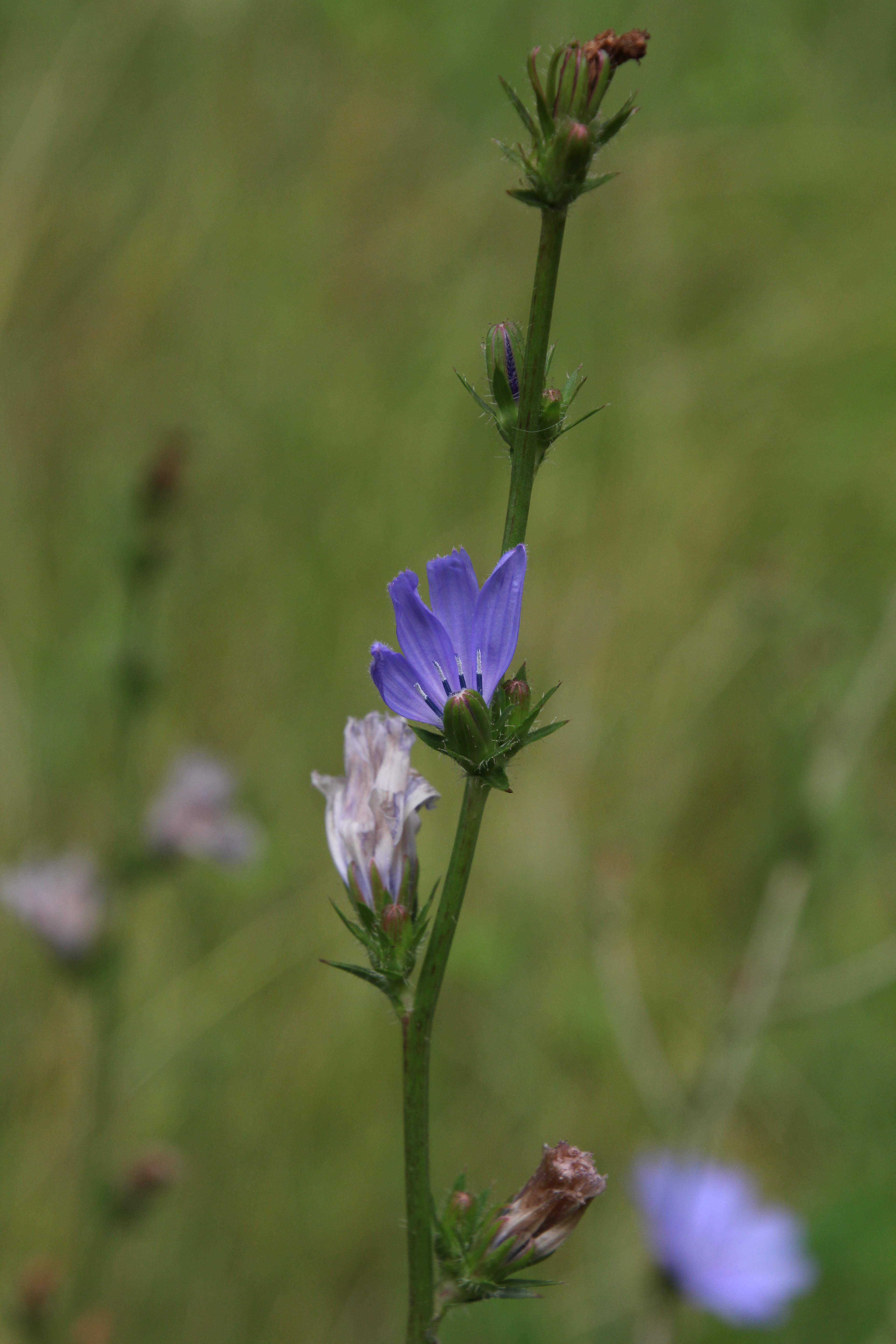
Common Name: chicory; Succory; Blue Daisy; Blue sailors; Wild succory; chicoree; chicotin; barbe du capuchin; chevaux de paysan
Identifying Character:
Distribution:
Medical Uses: Leaves, poultice, boil, abscesses Not recommended as a continual herb. Dandelion better as it is not a sedative and high food value.
Details
Common Name: mountain dogwood; Western Dogwood; Pacific Flowering Dogwood
Identifying Character: Small to medium tree (20-50 ft), smooth grey bark, opposite ovate leaves, large white bracts surrounding small flower clusters, red berry-like drupes
Distribution: Western North America (British Columbia to California), moist forests and slopes
Medical Uses: Used for fever, inflammation, diarrhea, rheumatism, general tonic; bark as a quinine substitute
Details

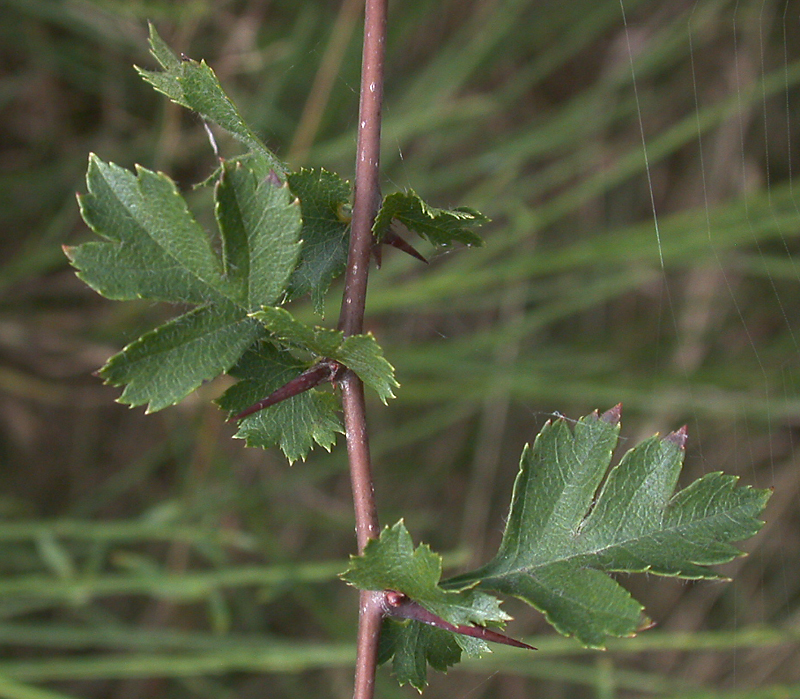
Common Name: English Hawthorn; Woodland Hawthorn; May Blossom
Identifying Character: Large shrub or small tree (15-25 ft), thorny branches, lobed leaves with 3-5 lobes, white to pink flowers, red berries
Distribution: Europe, Western Asia, naturalized in North America
Medical Uses: Used for heart conditions (e.g., angina, mild heart failure), high blood pressure, anxiety, and as an antioxidant; berries for circulatory health
Details
Common Name: cucumber
Identifying Character: ;
Distribution:
Medical Uses: Sunburn; Pealed soothing to intestines; eliminates uric acid accumulated in gout & Rheumatism. ; Poultice reduces inflammation;
Details

Common Name: garden dahlia; Dalia; French Dahlia
Identifying Character: Perennial (2-6 ft), erect hollow stem, pinnate leaves with serrated edges, large colorful flower heads (2-10 in), blooming summer to fall
Distribution: Native to Mexico, cultivated worldwide
Medical Uses: Used for inflammation, urinary issues, and mild digestive spasms; roots for decoctions, flowers occasionally in teas
Details

Common Name: narrow-leaved purple coneflower; Purple Coneflower; Black Sampson
Identifying Character: Perennial (1-5 ft), erect hairy stem, rough lance-shaped leaves, prominent spiny central cone with purple-pink ray flowers (E. purpurea: 2-4 in; E. angustifolia: 1-2 in), daisy-like heads
Distribution: Central and eastern North America, cultivated worldwide
Medical Uses: Used for immune support, colds, flu, infections, inflammation, and mild fever; root for tinctures, flowers for tea
Details

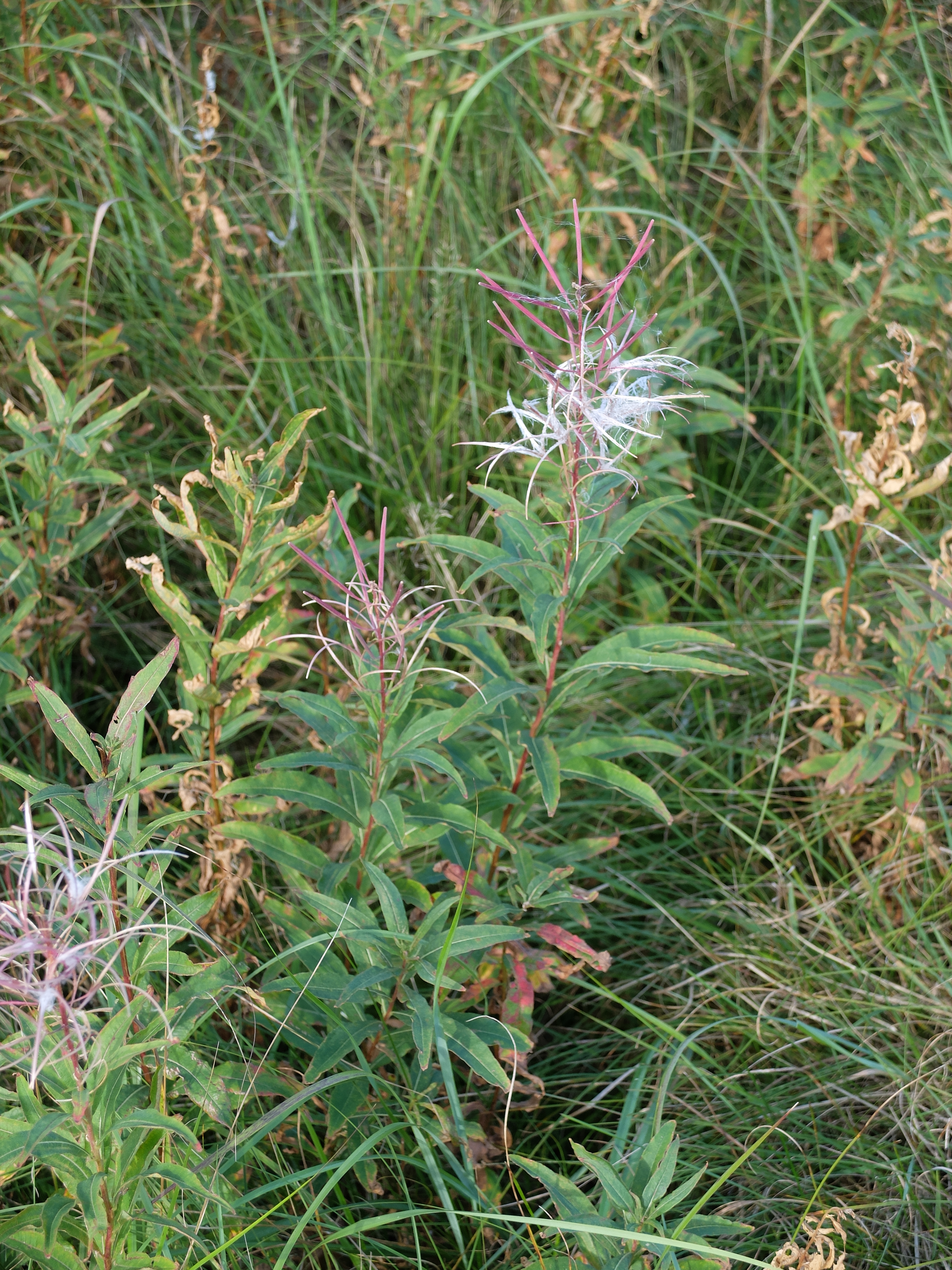
Common Name: fireweed; Fire Weed; willow herb
Identifying Character: perennial
Distribution: - throughout BC - burned or logged areas or along roadsides - found in coniferous, d
Medical Uses:
Details
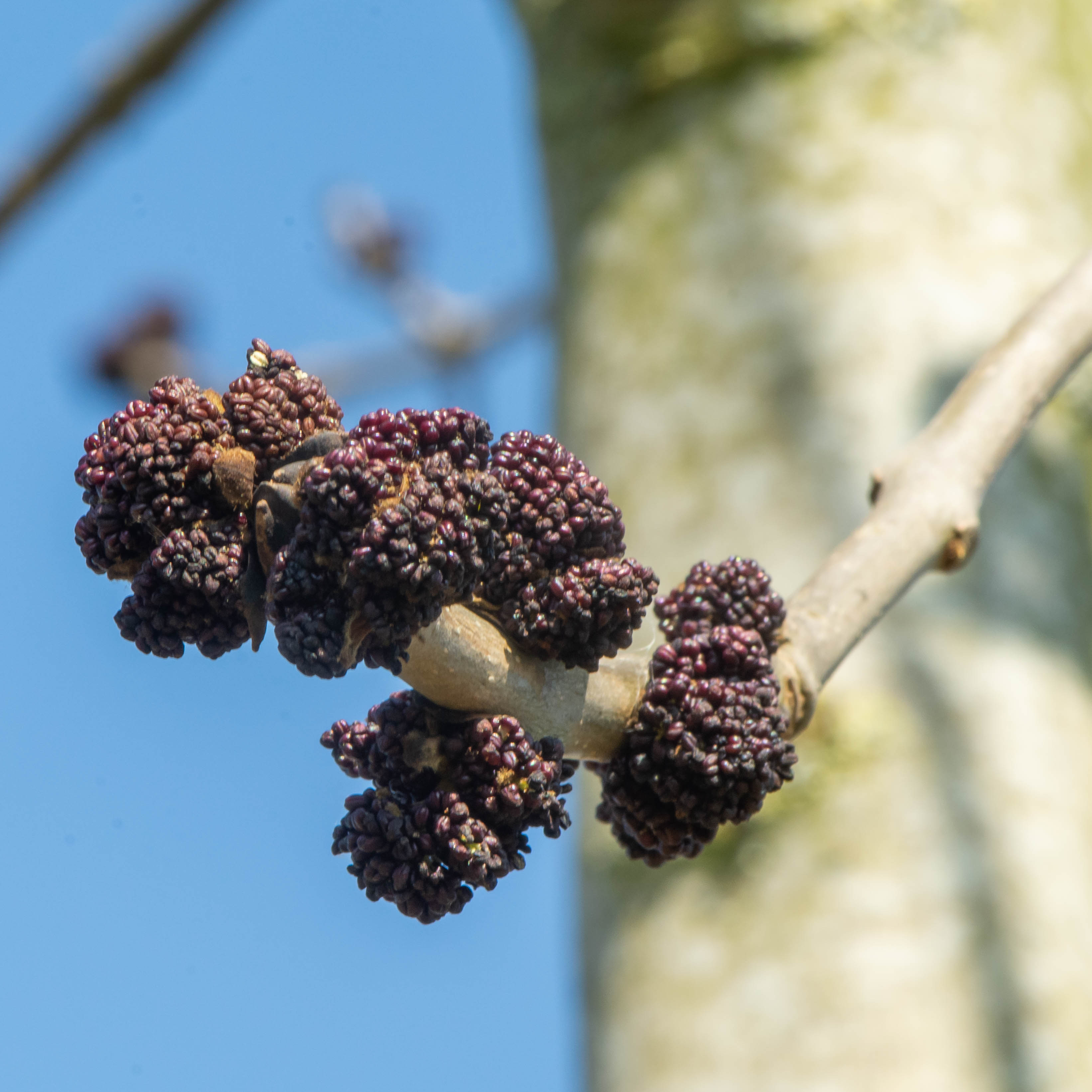
Common Name: European ash; Common Ash; Ash Tree
Identifying Character: Large tree (60-100 ft), smooth grey bark becoming fissured, pinnate leaves with 7-13 leaflets, purple-black flower clusters, winged seeds
Distribution: Europe, Western Asia, naturalized elsewhere
Medical Uses: Used for arthritis, rheumatism, edema, constipation, and as a mild diuretic; bark for fever
Details
Common Name: Licorice; Liquorice; Sweet Root; Black Sugar
Identifying Character: Herbaceous perennial (3-7 ft), pinnate leaves with 9-17 leaflets, purple-blue pea-like flowers, grows from rhizomes
Distribution: Native to Mediterranean, Western Asia, Southern Europe; cultivated in Asia, Europe, Middle East
Medical Uses: Roots for respiratory infections, ulcers, sore throats, hepatitis; leaves for minor skin issues
Details

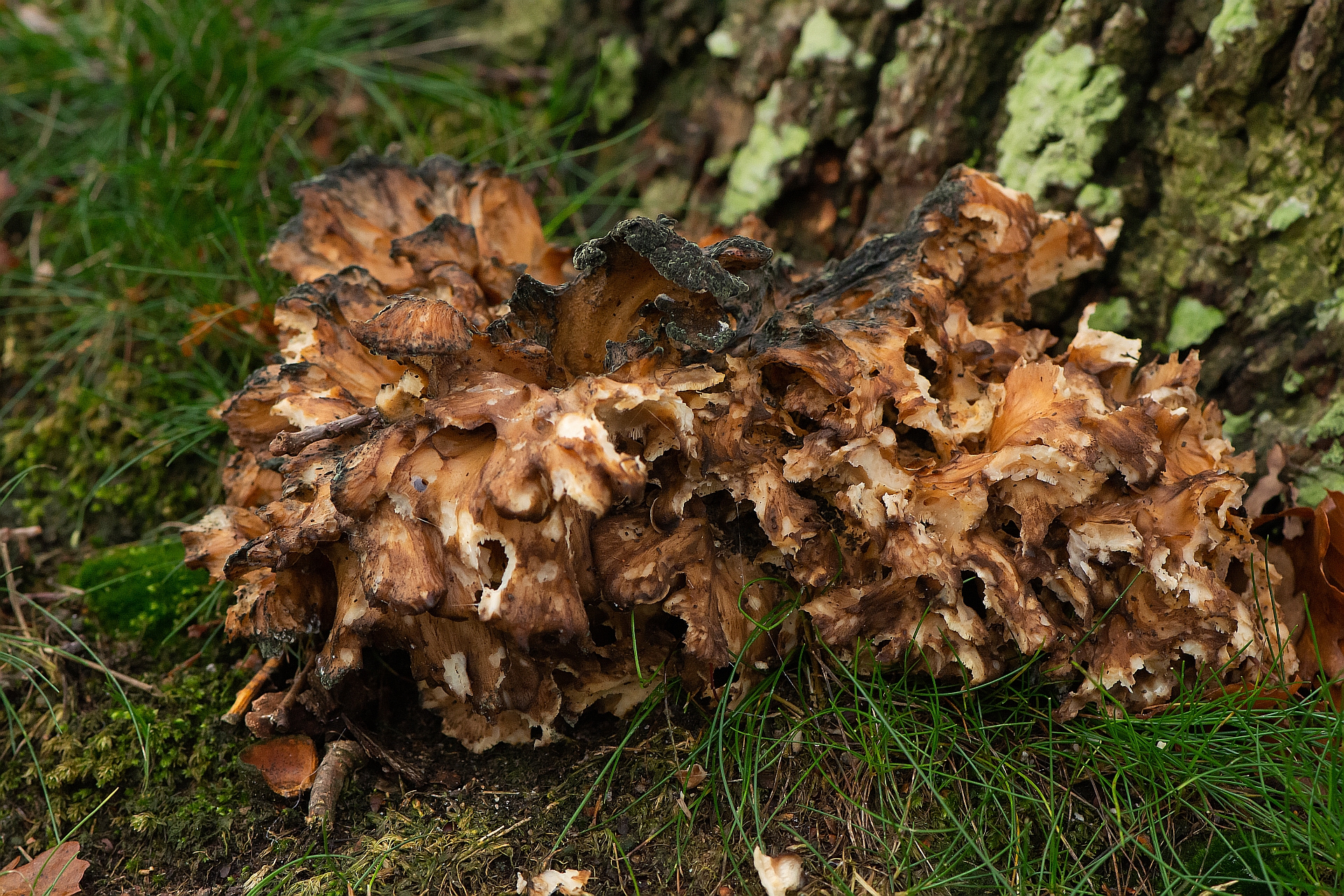
Common Name: maitake; Maitake mushroom; Hen of the woods; Ram's head
Identifying Character: Edible mushroom with a large, clustered fruiting body resembling overlapping fan-shaped petals or rosettes, often ruffled and layered like hen feathers
Distribution: Gills: Unlike typical gilled mushrooms, maitake mushrooms don't have distinct gills. Instead,
Medical Uses: May aid in diabetes management and support in cancer treatments (ongoing research) Potential applications in diabetes and cancer treatment (consult a healthcare professional).
Details
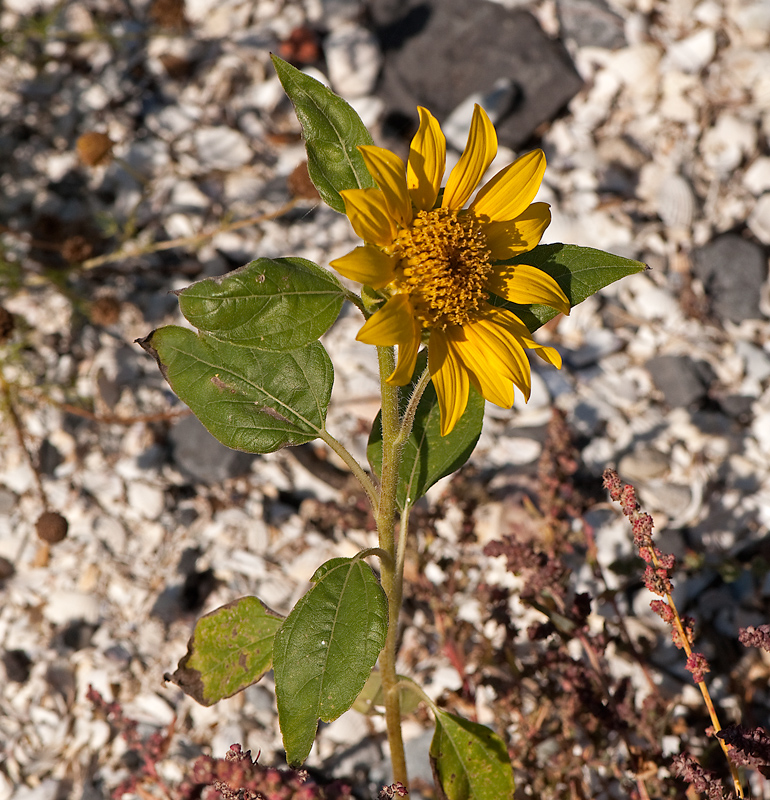
Common Name: common sunflower; Annual Sunflower; Giant Sunflower; Indian Pot Herb
Identifying Character: Annual (3-10 ft), erect hairy stem, broad heart-shaped leaves, large yellow flower heads with dark centers (3-6 in), drooping ray florets
Distribution: Native to North America, cultivated worldwide
Medical Uses: Used for respiratory issues, urinary complaints, inflammation, and as a mild diuretic; seeds for nutrition, roots for wounds
Details
Common Name: Indian Celery; Pushki; Wild Parsnip
Identifying Character: Perennial (3-10 ft), erect ridged stem, large lobed leaves with serrated edges, white umbel flowers (4-8 in across), blooming summer
Distribution: Native to North America, from Alaska to California
Medical Uses: Used for arthritis, respiratory issues, urinary complaints, and pain relief; roots for poultices, leaves for tea
Details

Common Name: European hop; Hops; Common Hops; European Hops
Identifying Character: Perennial climbing vine (15-25 ft), twining stems, rough textured, lobed leaves, green-yellow flower cones (hops), blooming July-September
Distribution: Native to Europe, Western Asia, North America; widely cultivated globally
Medical Uses: Flower cones for insomnia, anxiety, digestion; leaves for minor pain relief
Details

Common Name: Hydrangea root
Identifying Character:
Distribution:
Medical Uses:
Details
Common Name:
Identifying Character: ;
Distribution:
Medical Uses: externally in fomentations; or ointments bruises, scratches, insect bites, skin irritation.
Details
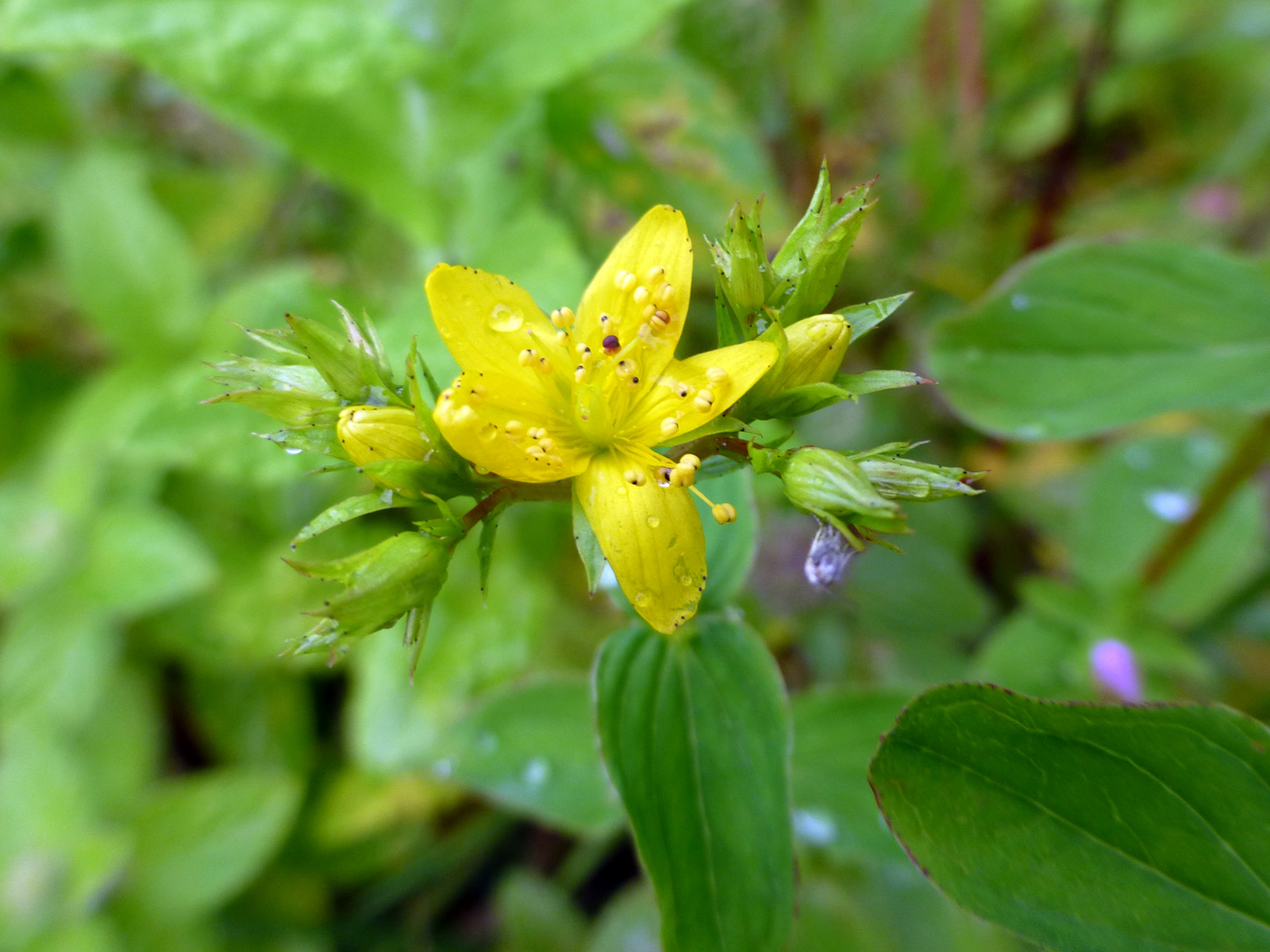
Common Name: Chinese star-anise; Chinese star anise; takko
Identifying Character:
Distribution: Illicium verum is a medium-sized evergreen tree native to northeast Vietnam and southwest China.
Medical Uses:
Details

Common Name: Persian walnut; Walnut Leaves
Identifying Character:
Distribution:
Medical Uses:
Details
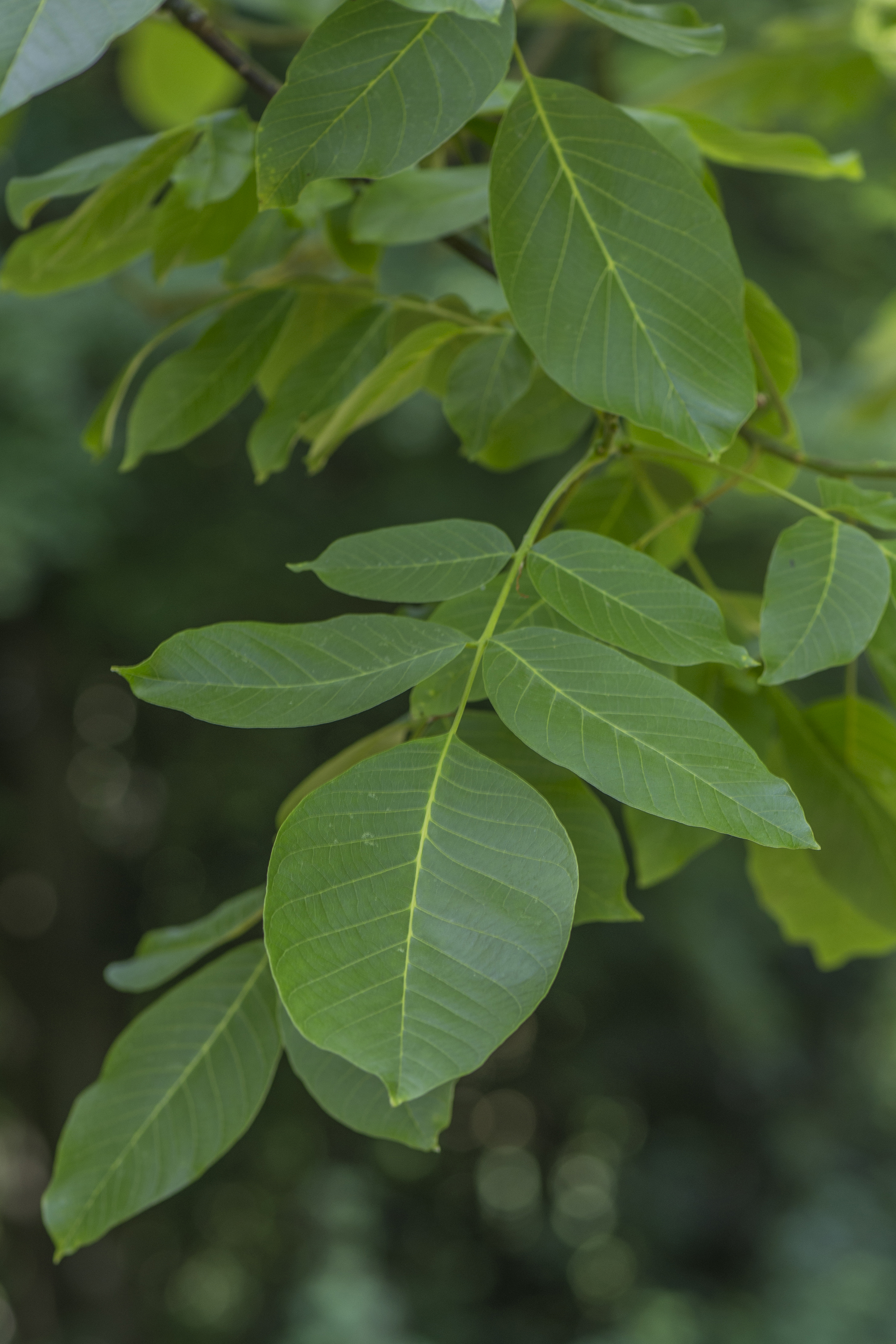
Common Name: Saxifrax; Saloop; Ague Tree; Cinnamon Wood;
Identifying Character: STEMS: Usually shrubby or small trees but can reach STEM: heights of 30m, and diameters of 2m. Bark dark red-brown, deeply furrowed, soft and brittle with short, corky, layered fracture, with many oil cells, aromatic, agreeable taste. Young twigs are green, Heat wood is dark or orange-brown, resistant to decay
Distribution: The generic name of three species of trees., two native to eastern Asia, one to eastern North America, in the laurel family Laureceae. From Main, southern Ontario and Michigan to Texas and Florida
Medical Uses: Corrective in Rheumatism. , varicose ulcers Painful menstruation; Afterbirth pains; skin eruptive diseases; essential oil for painful toothache; Used to improve flavour of other compounds; Poultice ulcers, oil in liniments and application for bruises and swellings.
Details
Common Name: lavender; Common Lavender; True Lavender; Garden Lavender
Identifying Character: Perennial shrub (1-3 ft), woody base, erect stems, narrow linear leaves with gray-green hue, purple flower spikes (1-2 in), blooming summer
Distribution: Native to the Mediterranean, cultivated worldwide
Medical Uses: Used for anxiety, insomnia, headaches, inflammation, minor burns, and digestive issues; oil for aromatherapy and skin care
Details
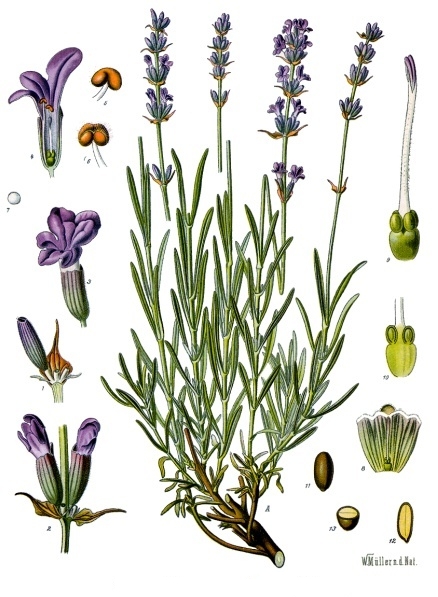
Common Name: lobelia,
Identifying Character:
Distribution:
Medical Uses:
Details
Common Name: apple; Common Apple; Eating Apple; Cooking Apple
Identifying Character: Small to medium tree (10-40 ft), grey-brown bark with fissures, oval leaves with serrated edges, pink-white flowers, green to red apples
Distribution: Europe, Central Asia, naturalized worldwide
Medical Uses: Used for digestion, diarrhea, urinary health, and as an antioxidant; cider vinegar for detoxification
Details
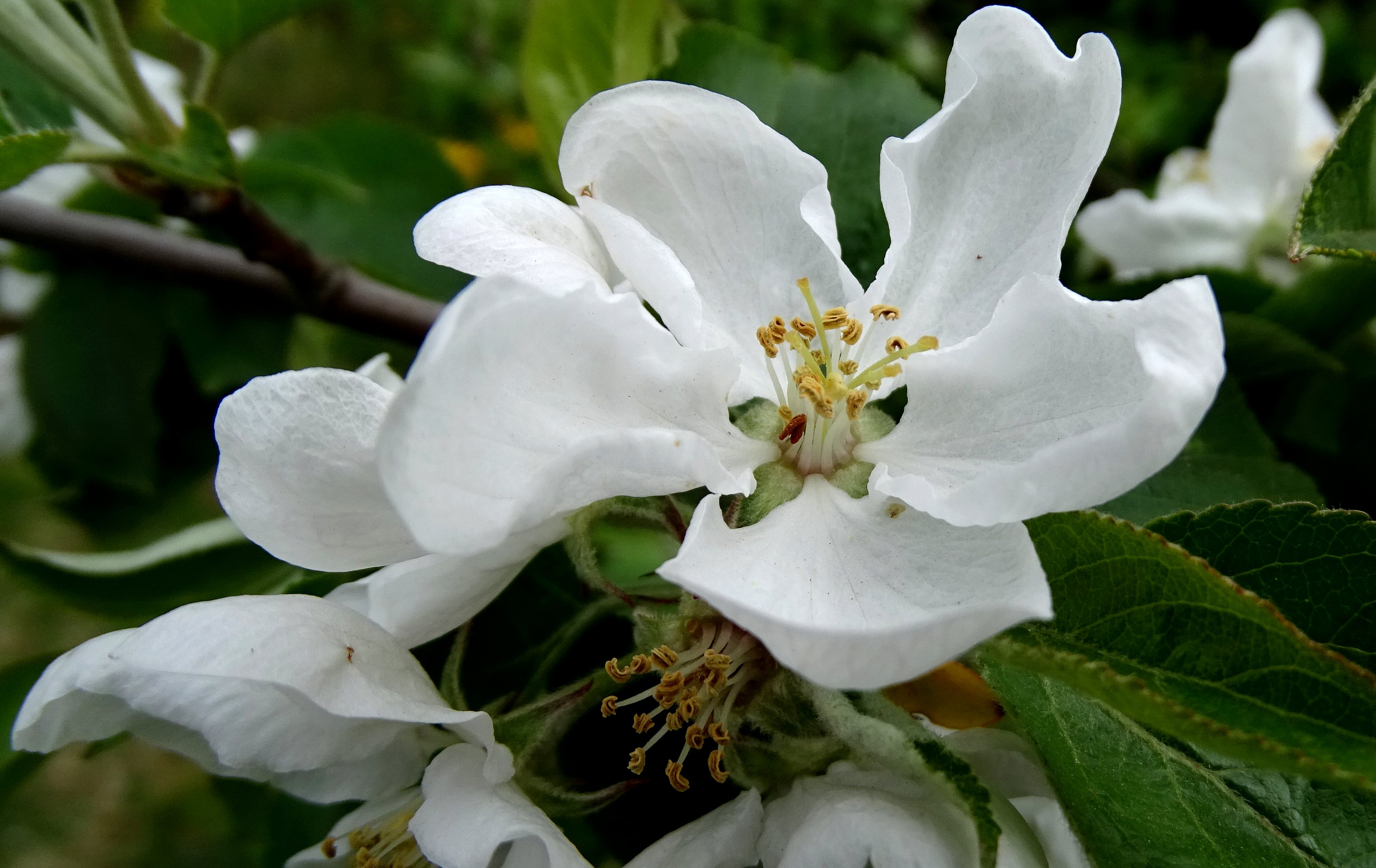
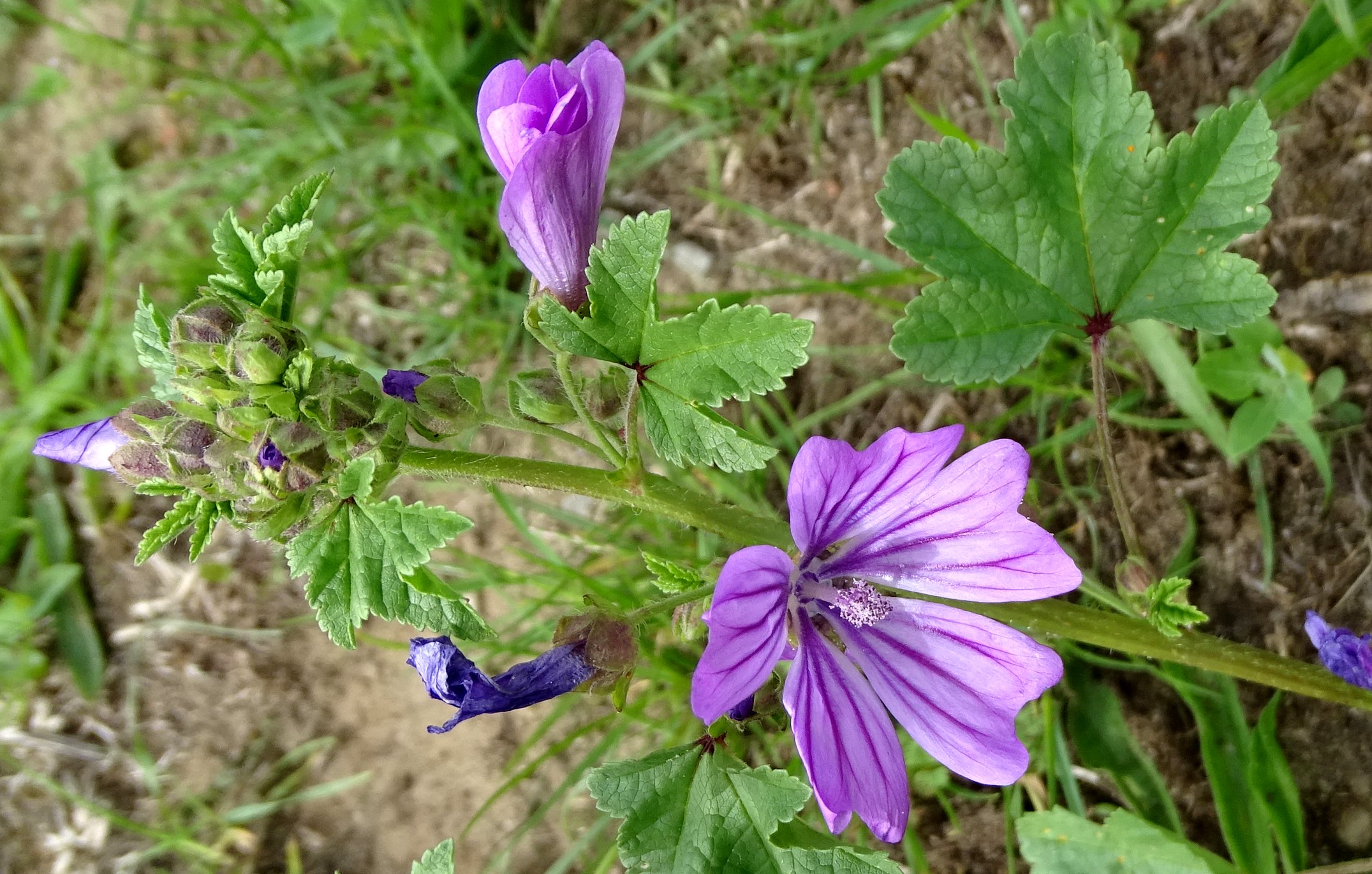
Common Name: Malvas
Identifying Character:
Distribution:
Medical Uses:
Details
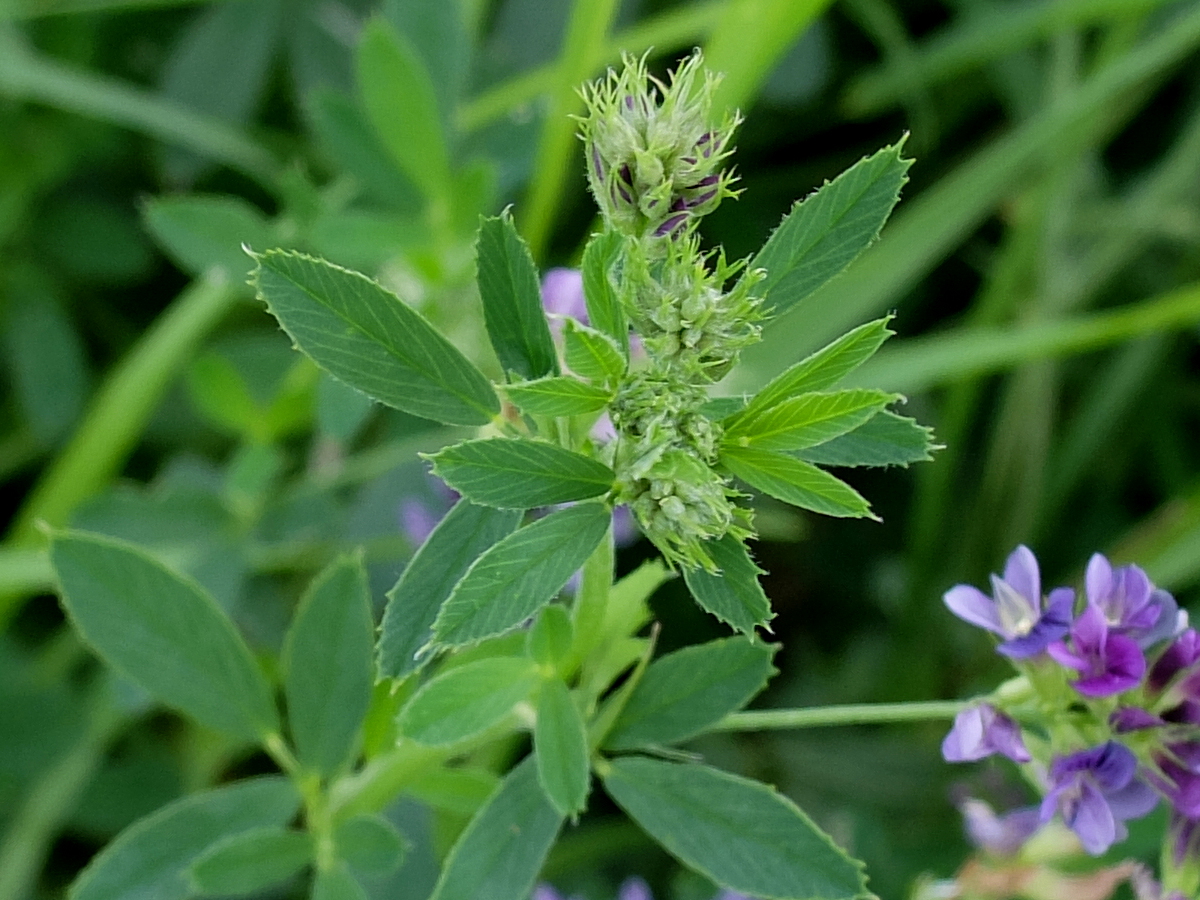
Common Name: alfalfa
Identifying Character:
Distribution:
Medical Uses:
Details
Common Name: pennyroyoal; Pennyroyal
Identifying Character:
Distribution:
Medical Uses:
Details

Common Name: spearmint; Garden Mint; Lamb Mint; Our Lady's Mint
Identifying Character: Perennial (1-2 ft), square erect stem, lance-shaped serrated leaves, small purple or pink flower spikes (0.5 in), blooming summer
Distribution: Native to Europe, naturalized in North America and elsewhere
Medical Uses: Used for digestive issues, nausea, headaches, colds, and as a mild antiseptic; leaves for tea or poultices
Details

Common Name: Bergamot; Bee Balm; Oswego Tea; Wild Bergamot
Identifying Character: Perennial herbs (2-4 ft), square stems, aromatic leaves, tubular flowers in dense heads; M. fistulosa: lavender; M. didyma: red to purple
Distribution: Native to North America; M. fistulosa: central and eastern U.S., Canada; M. didyma: eastern U.S.
Medical Uses: Leaves and flowers for colds, digestive issues, sore throats; M. didyma as Oswego tea
Details

Common Name:
Identifying Character: ;
Distribution:
Medical Uses: ;
Details
Common Name: Evening primrose, sundrops, Sun drop, Tree Primrose, Oenothere
Identifying Character: Perenial
Distribution: North America,
Medical Uses: To quiet nervous sensibility, acts on the alimentary toxins stimulates st
Details
Common Name: Cukilanarpak (native Alaskan for ''large plant with needles''), Devil's club Panax horridum Sm., Echinopanax horridum (Sm.) Decne. & Planch., Fatsia horrida (Sm.)
Identifying Character:
Distribution: This hardy plant grows in moist ravines and well-drained soils along much of the Alaskan coast and a
Medical Uses: This plant has a long tradition of use by the native tribes of Alaska and British Columbia for centuries and other populations in the Northwestern regions of the United States and Canada. The plant has been used internally by drinking an aqueous extract of the root or stem bark for treatment of respiratory ailments (eg, cold, cough, sore throat, chest pain, tuberculosis) and GI complaints (eg, stomach pain, ulcers, gallstones, indigestion, constipation).Bloxton 2002, Russell 1991, Smith 1983 Externally the prickly outer bark sometimes is scraped from the stem, leaving the cambium for use in the preparation of decoctions and poultices; however, others use both the cambium and stem together. Poultices were applied to sores and wounds to prevent or reduce swelling and infection. The cambium sometimes is softened by chewing prior to being placed on a cut or burn as an emergency analgesic and local antiseptic. In many cultures, the plant is believed to possess ''magical'' powers that impart great strength.Bloxton 2002, Russell 1991, Smith 1983 Ethnobotanic data indicate that the extracts of the inner bark appear to have antipyretic, antitussive, antibacterial, and hypoglycemic properties. The plant has been used internally to treat a variety of conditions including influenza, measles, diabetes, cancer, arthritis, and rheumatism. Devil's club has been used as a purgative, emetic, and cathartic in higher doses.Bloxton 2002, McCutcheon 1995, Smith 1983 Anti-infective activity A recent screening of a methanol extract of the inner bark of O. horridus showed partial inhibition against the respiratory syncytial virus. Previous screenings of O. horridus extracts exhibited antimicrobial and antifungal activities. The polyynes of the plant exhibited anti-Candida activity; and, in a disk diffusion assay, antimycobacterial activity, by killing Mycobacterium tuberculosis and isoniazid-resistant Mycobacterium avium at 10 mcg/disk.Calway 2012, Kobaisy 1997, McCutcheon 1997, Qiu 2013 Cancer Animal data A limited pool of researchers have reported on the effect of extracts of Oplopanax horridus and related species on a range of human cancer cell lines and tumors.Jin 2014, Li 2010, McGill 2014, Meng 2015, Sun 2010, Tai 2014, Wang 2013, Zhang 2014 Hypoglycemic activity Animal data Several animal investigations were conducted in the 1930s and 1940s in an attempt to characterize the pharmacologic activity associated with the traditional uses of devil's club. Following reports that patients with diabetes could be managed successfully using water extracts of the root bark, animal-based investigations suggested that the extract had hypoglycemic activity in the hare and that the plant was not associated with toxicity. Further investigations were unable to verify the hypoglycemic effect in rabbits.Large1938, Piccoli 1940, Stuhr 1944 Clinical data No pharmacologically active component could be identified in the plant. A report of a case study of two patients given extracts of the plant in conjunction with a glucose tolerance test found no hypoglycemic effects that could be attributed to devil's club.Calway 2012, Smith 1983, Stuhr 1944
Details
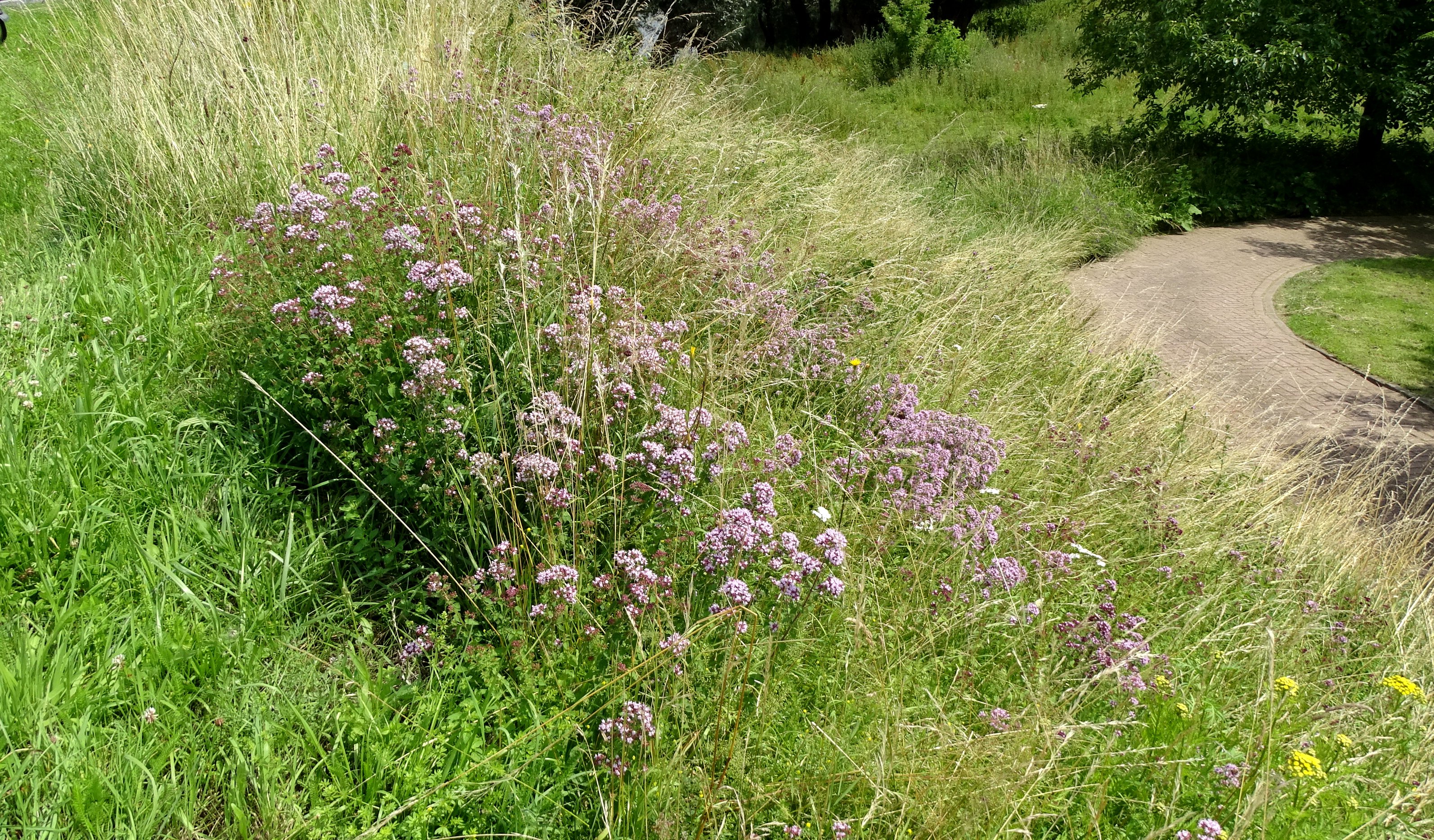
Common Name: oregano; Wild Marjoram; Mountain Mint
Identifying Character: Perennial (1-2 ft), woody base, erect hairy stems, oval leaves, purple or pink flower spikes (0.5 in), blooming summer
Distribution: Native to the Mediterranean, naturalized worldwide
Medical Uses: Used for respiratory infections, digestive issues, colds, and as a mild antiseptic; leaves for tea or poultices
Details
Common Name: Ginseng
Identifying Character:
Distribution: Native to China(Manchuria) and Korea. In damp, cool,humus-rich woodland
Medical Uses: Used in a vary wide range of conditions, but particularly of benefit where increased mental and physical efficiENCY is required, or when the patient is exposed to internal and external physiological stress factors - such as ageing, surgery or disease. Stimulating to gonads, nervous system, endocrine glands, metabolism; lowers blood pressure; Inhibits mental and physical fatigue
Details
Common Name: Poppy, Opium Poppy, Corn Poppy
Identifying Character: Annual herb (1-5 ft), erect stem with milky sap, lobed leaves, large showy flowers, capsule fruit; pollen color dark gray
Distribution: Native to Eastern Mediterranean, Western Asia; cultivated globally
Medical Uses: Latex for pain relief, coughs (opium derivatives); seeds for nutrition
Details
Common Name: American pokeweed
Identifying Character: Tall perennial with thick reddish-purple stems; large alternate leaves; clusters of dark purple berries
Distribution: Eastern North America; naturalized in Europe and elsewhere
Medical Uses: Allopathic: historical cancer research; Herbal: swollen lymph nodes; arthritis; skin conditions; Homeopathic: glandular swellings
Details
Common Name: Ribwort plantain; Narrowleaf plantain; English plantain; Buckhorn plantain; Ribgrass; Lanceleaf plantain
Identifying Character: basal rosette; narrow lanceolate leaves; parallel veins; tall leafless stalks; compact cylindrical flower spikes
Distribution: Europe; western Asia; North Africa; naturalized in North America; Australia; New Zealand; temperate zones
Medical Uses: Allopathic: bronchitis; wounds; insect bites; allergic rhinitis; Herbal: cough; diarrhea; hemorrhoids; skin irritation; TCM: edema; difficult urination; lung heat; Ayurvedic: dysentery; skin eruptions; Naturopathic: allergies; eczema; sinus congestion
Details
Common Name: narrow-leaved plantain; lance leaf plantain
Identifying Character: stem: leaves: flowers: root: fruit: taste: odour:
Distribution:
Medical Uses:
Details
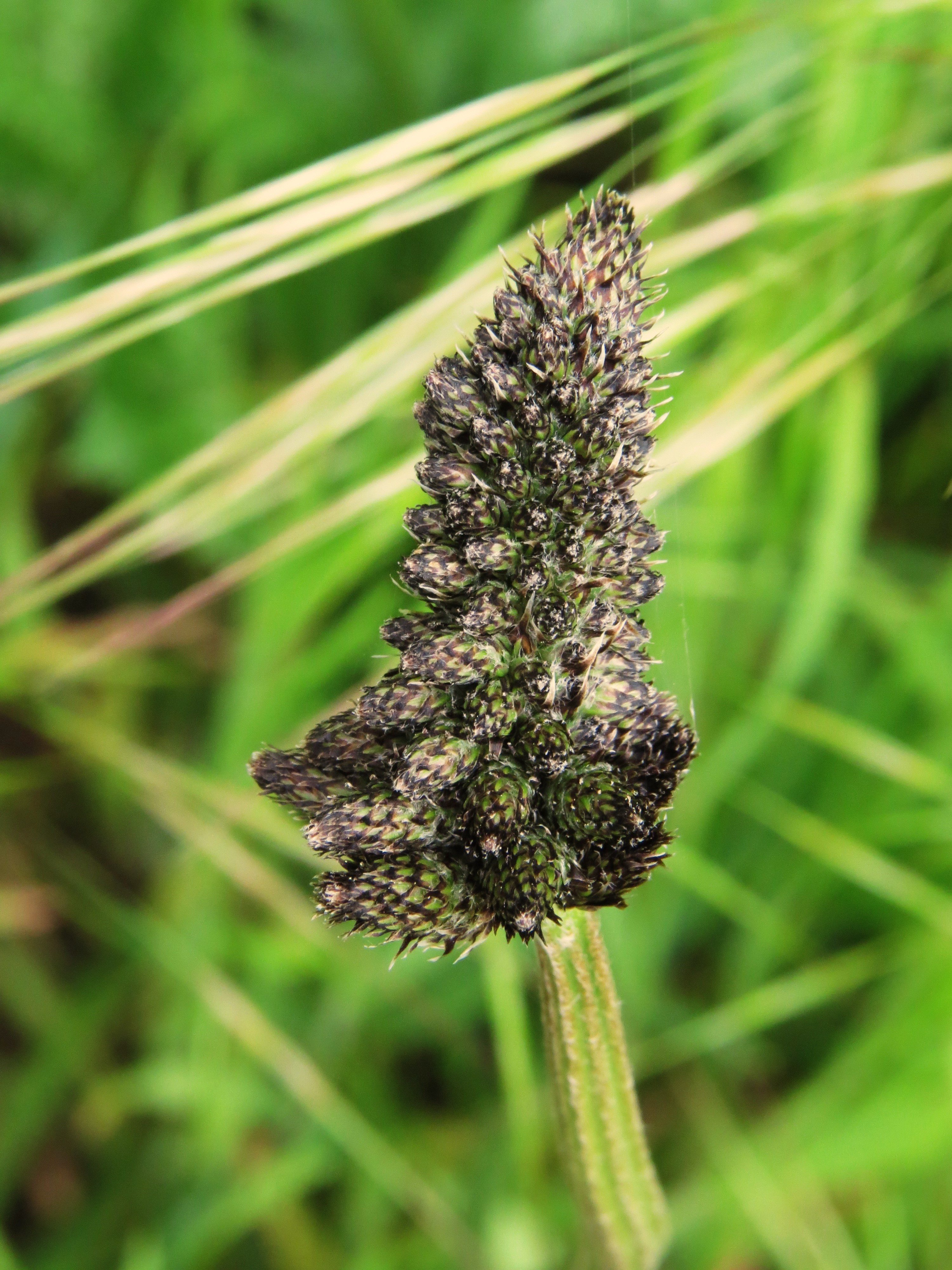
Common Name: Broad Leaf Plantain
Identifying Character:
Distribution:
Medical Uses:
Details
Common Name: Black Cottonwood; Eastern Cottonwood; Fremont Cottonwood; Balm of Gilead; Poplar
Identifying Character: Large tree (150-200 ft), deeply furrowed grey-brown bark, shiny dark green leaves with silvery undersides, heart-shaped or triangular leaves with coarse teeth, resinous buds in winter, cottony seeds in summer
Distribution: North America (riparian zones, wetlands, floodplains), Europe, Asia; prefers moist, alluvial soils
Medical Uses: Relieves muscle pain, arthritis, swelling, fever, respiratory conditions (bronchitis, pneumonia, asthma), colds, coughs, skin conditions (burns, eczema, cuts), urinary tract infections, scurvy prevention
Details
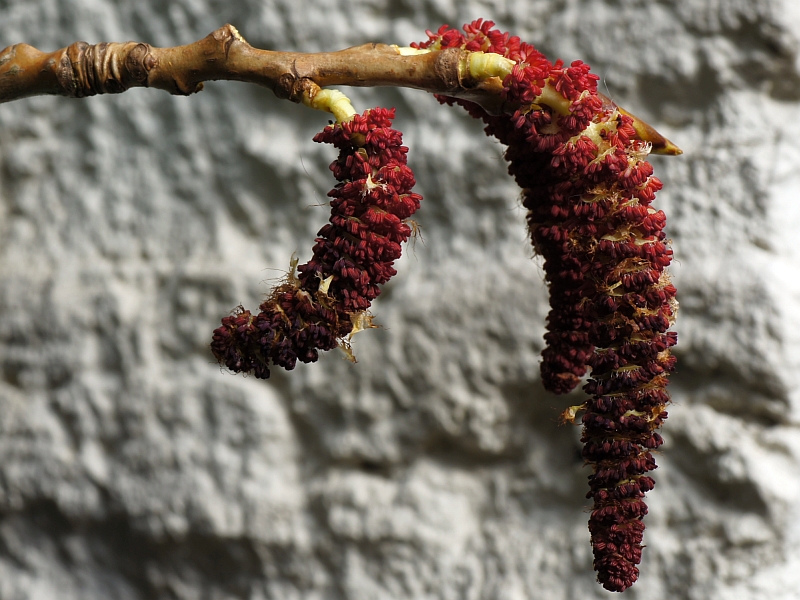
Common Name: almond
Identifying Character:
Distribution:
Medical Uses:
Details

Common Name: sweet cherry; Wild Cherry; Gean; Mazzard
Identifying Character: Medium to large tree (30-60 ft), reddish-brown bark with lenticels, serrated oval leaves, white flowers in clusters, dark red to black cherries
Distribution: Europe, Western Asia, North Africa; naturalized worldwide
Medical Uses: Used for coughs, colds, bronchitis, digestive issues, urinary tract health, and mild sedation; bark as a cough remedy
Details
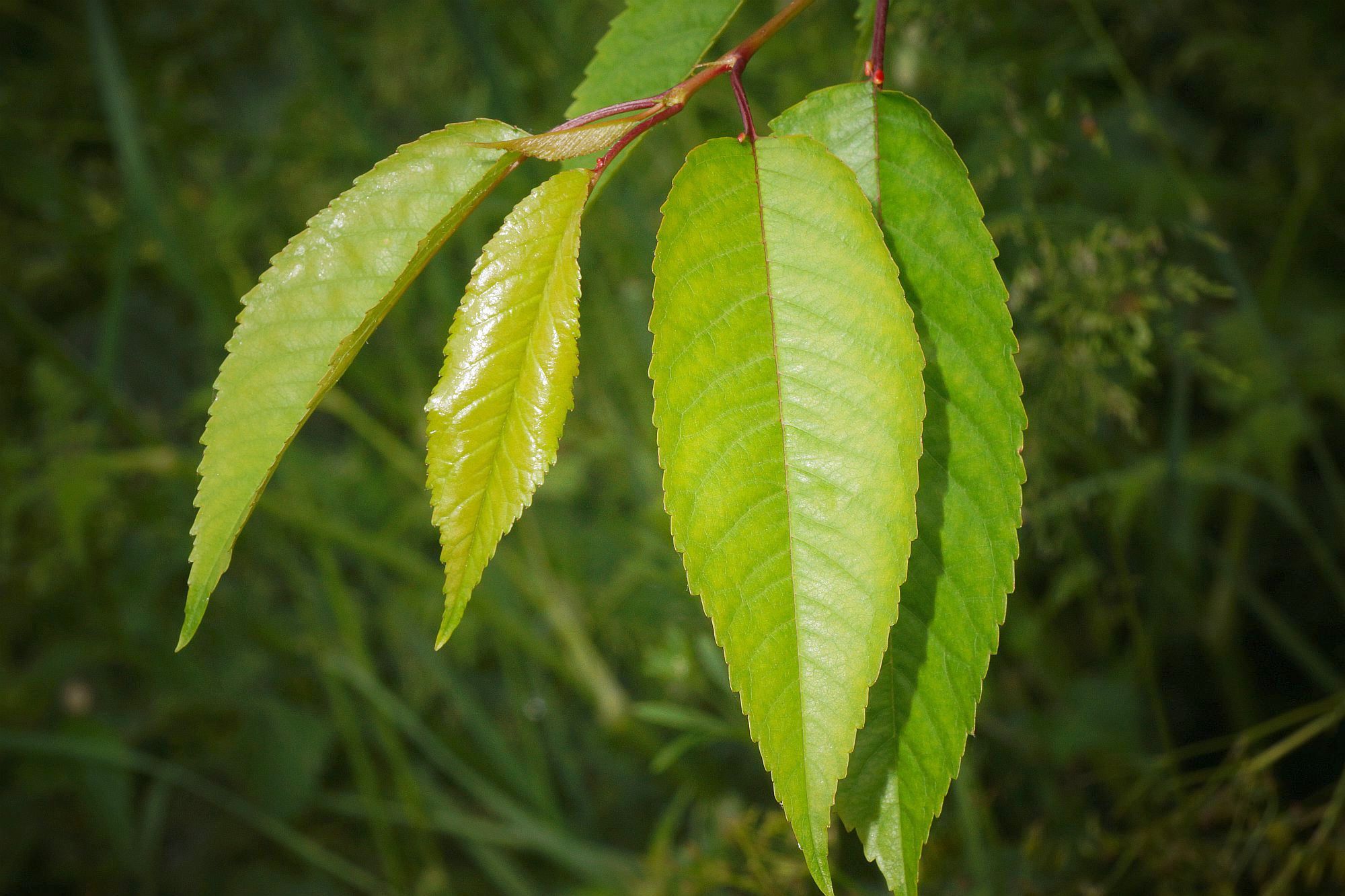
Common Name: plum; Common Plum; Garden Plum; Prune Plum
Identifying Character: Small to medium tree (15-30 ft), dark brown bark with fissures, oval leaves with serrated edges, white flowers, purple to yellow plums
Distribution: Europe, Western Asia, naturalized worldwide
Medical Uses: Used for constipation, inflammation, urinary issues, and mild digestive support; dried fruit as a laxative
Details
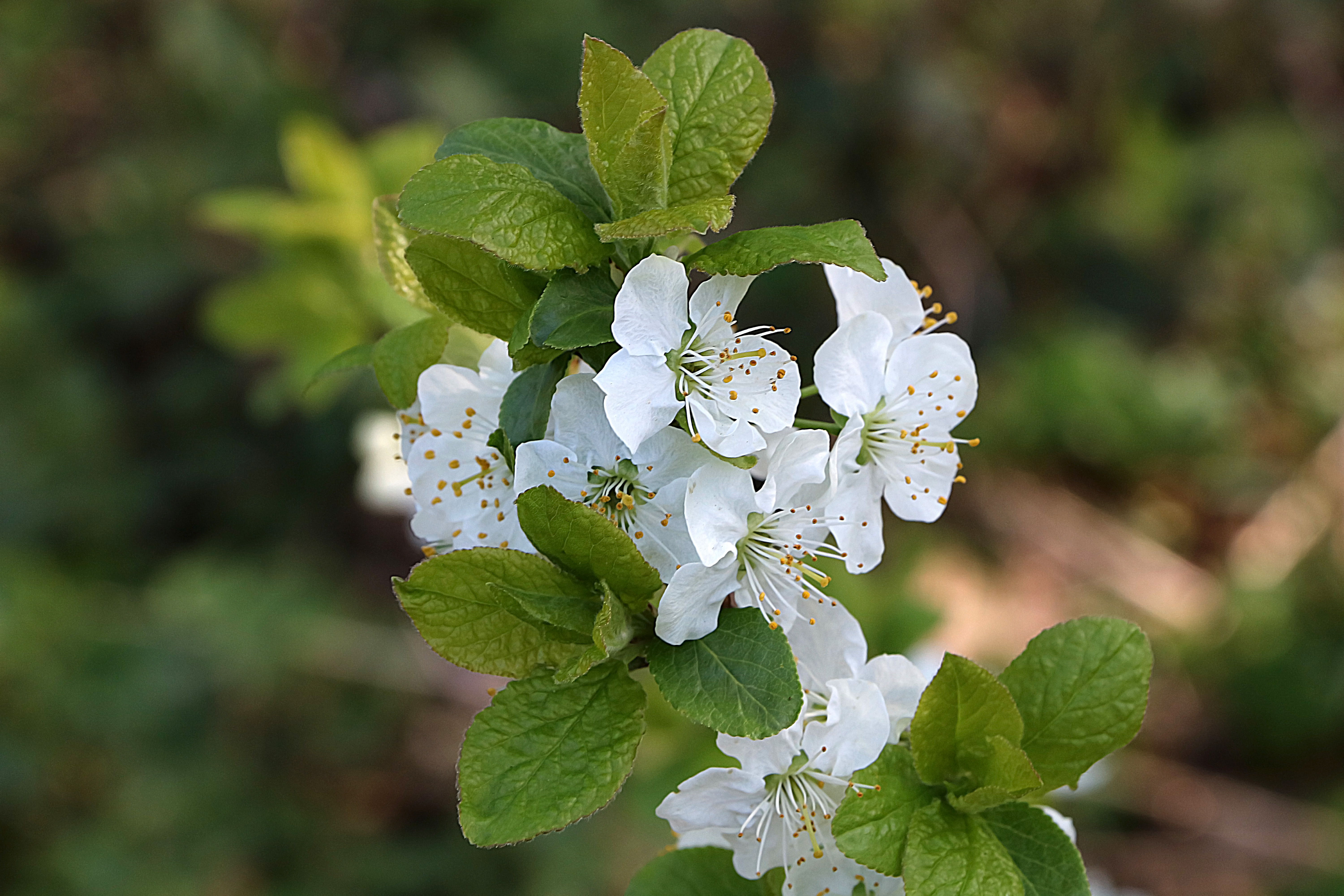
Common Name: peach
Identifying Character: Deciduous tree with showy pink flowers in spring
Distribution: Native to China; cultivated worldwide in temperate regions
Medical Uses: Allopathic: supports skin health; Herbal: relieves cough; Ayurvedic: balances pitta; TCM: moistens lungs
Details
Common Name: lungwort; Jerusalem Cowslip; Jerusalem Sage
Identifying Character:
Distribution:
Medical Uses:
Details
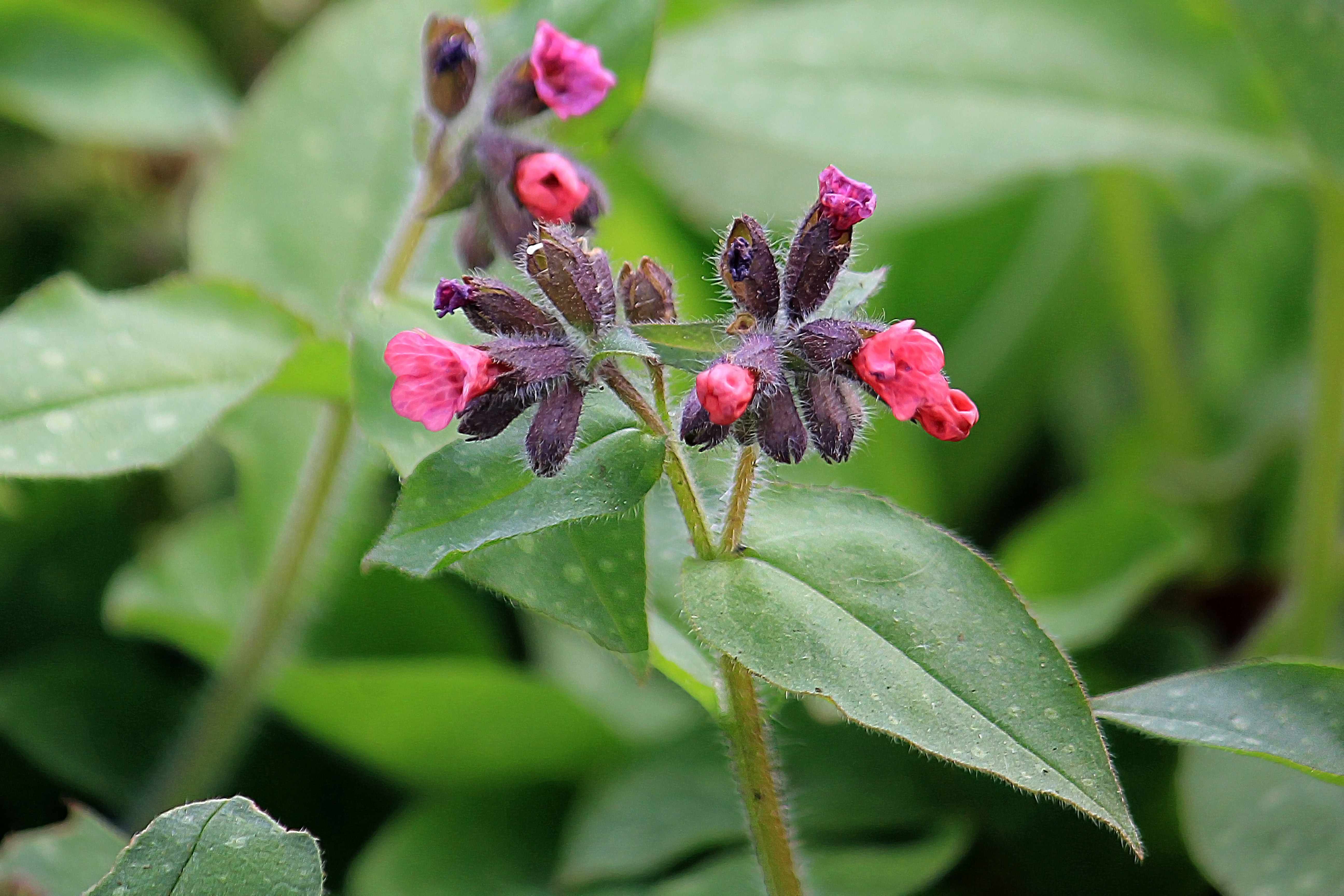
Common Name: damask rose; Rose
Identifying Character: Thorny shrub (3-6 ft), prickly stems, pinnate leaves, fragrant pink to red flowers, red-orange hips
Distribution: Europe, Asia, North Africa, naturalized worldwide
Medical Uses: Used for anxiety, skin inflammation, sore throat, and as a diuretic; hips for vitamin C, petals for relaxation
Details
Common Name: French rose; Rose
Identifying Character: Thorny shrub (3-6 ft), prickly stems, pinnate leaves, fragrant pink to red flowers, red-orange hips
Distribution: Europe, Asia, North Africa, naturalized worldwide
Medical Uses: Used for anxiety, skin inflammation, sore throat, and as a diuretic; hips for vitamin C, petals for relaxation
Details
Common Name: European Blackberry; Bramble
Identifying Character: Thorny shrub (3-10 ft), prickly arching stems, serrated oval leaves, white to pink flowers, black berries
Distribution: Europe, North America, naturalized worldwide
Medical Uses: Used for diarrhea, sore throat, urinary issues, and as an antioxidant; leaves for oral health
Details

Common Name: red raspberry; European Raspberry; Wild Raspberry
Identifying Character: Thorny shrub (3-6 ft), prickly stems, serrated oval leaves, white flowers, red berries
Distribution: Europe, North America, naturalized worldwide
Medical Uses: Used for pregnancy support, diarrhea, urinary issues, and as an antioxidant; leaves for uterine health
Details
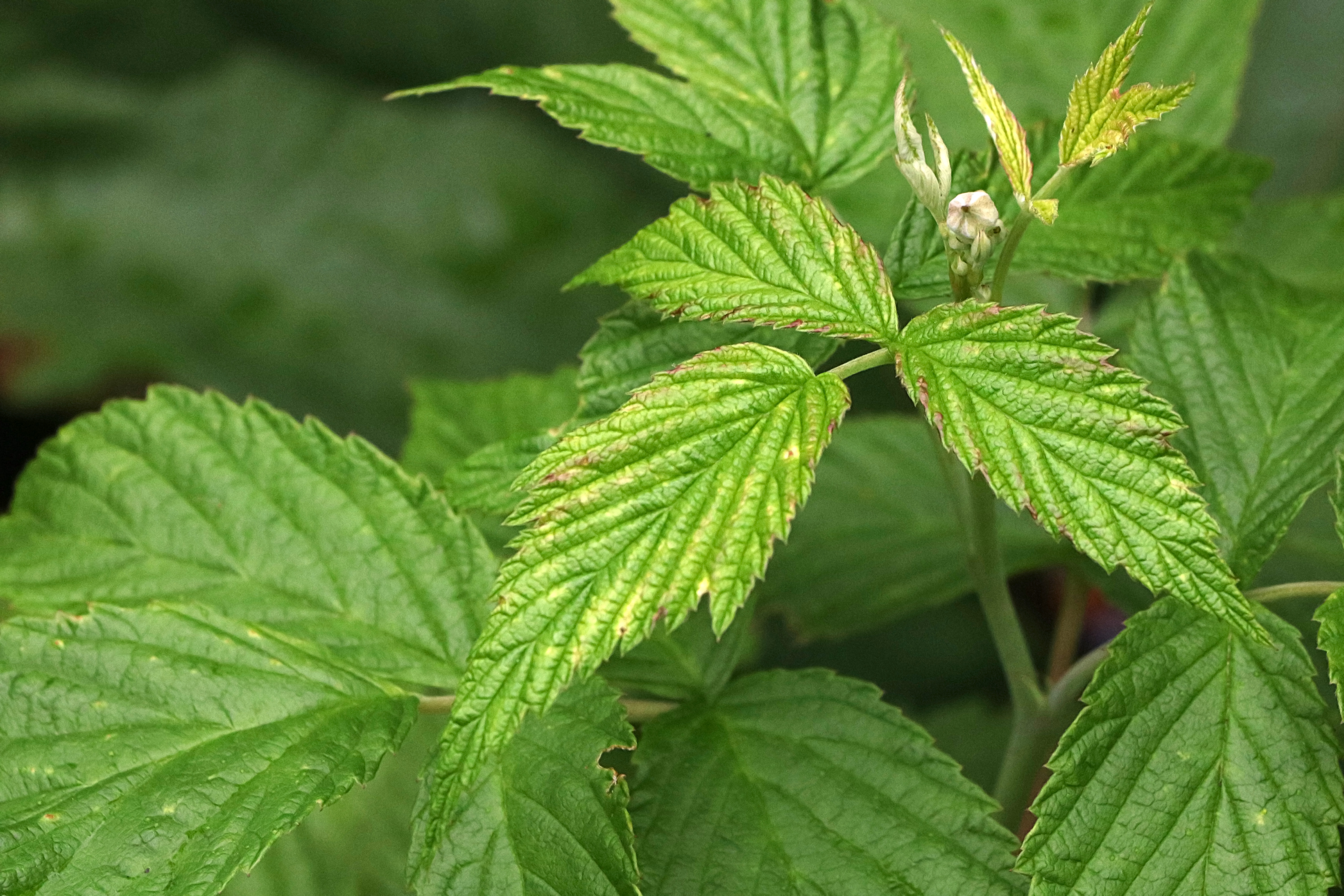
Common Name: red raspberry leaf,;
Identifying Character:
Distribution:
Medical Uses:
Details
Common Name: Brown-eyed Susan; Yellow Ox-eye Daisy
Identifying Character: Short-lived perennial/biennial (1-3 ft), erect hairy stem, rough lance-shaped leaves, yellow flower heads with dark brown centers (2-3 in), blooming summer to fall
Distribution: Native to North America, cultivated elsewhere
Medical Uses: Used for colds, sore throats, inflammation, urinary issues, and as a mild diuretic; roots for snake bites, leaves for poultices
Details
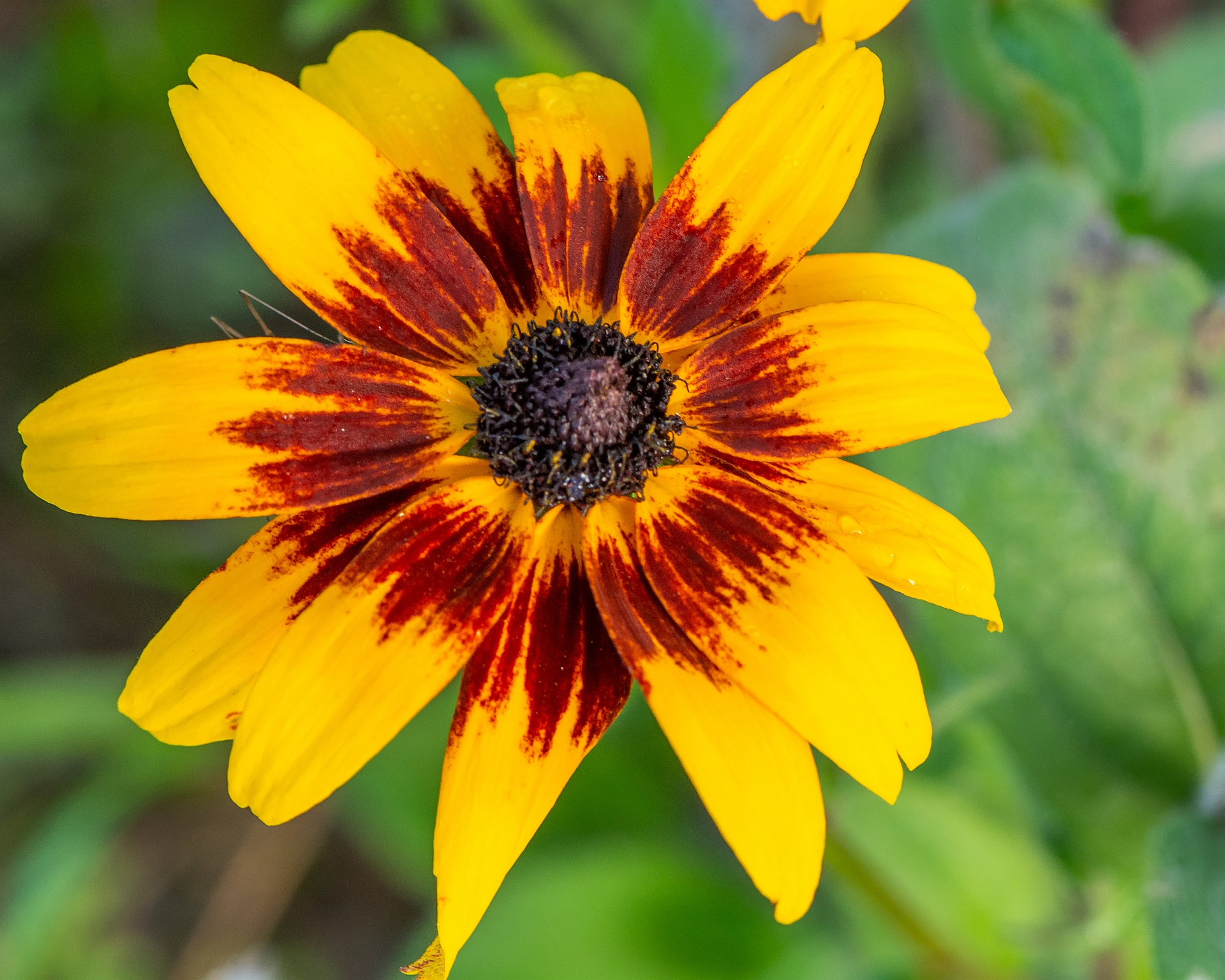
Common Name: Yellow dock
Identifying Character:
Distribution:
Medical Uses:
Details
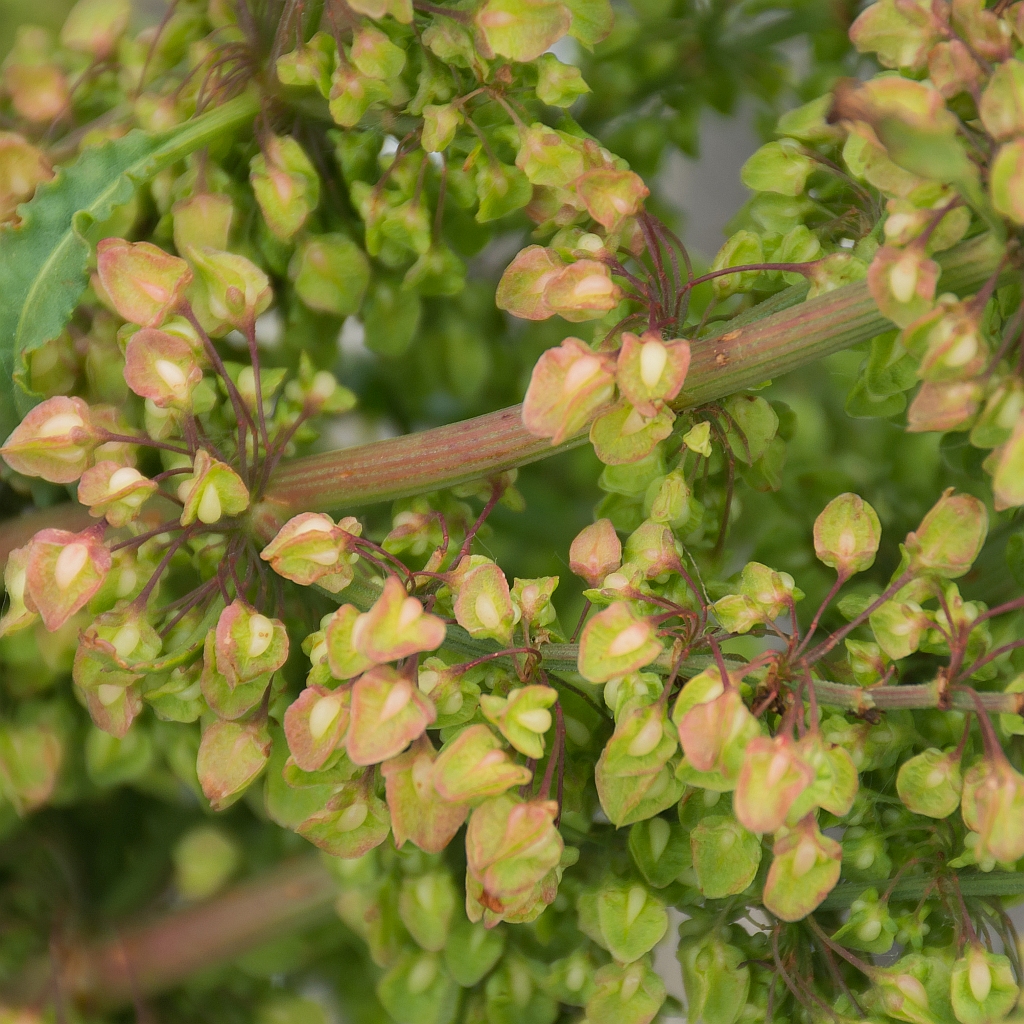
Common Name: Willow; goat willow
Identifying Character:
Distribution:
Medical Uses:
Details
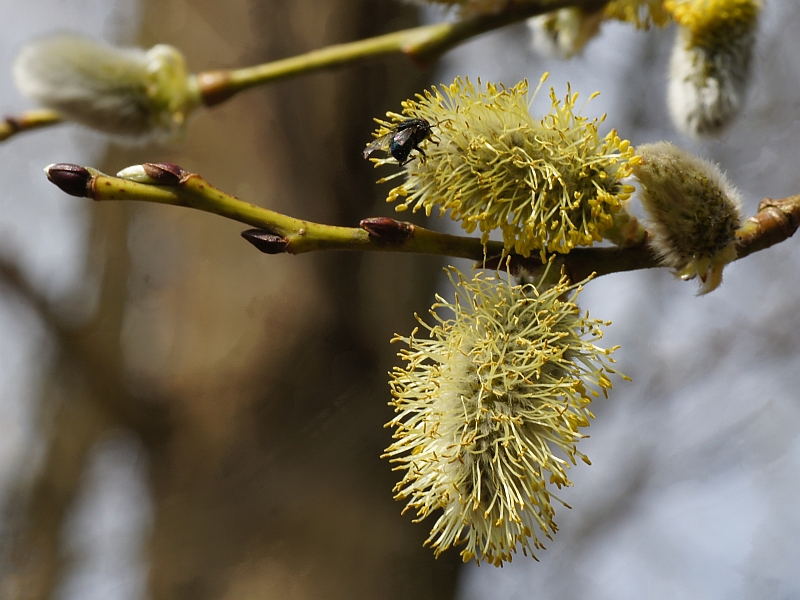
Common Name: garden sage; Sage
Identifying Character:
Distribution:
Medical Uses:
Details
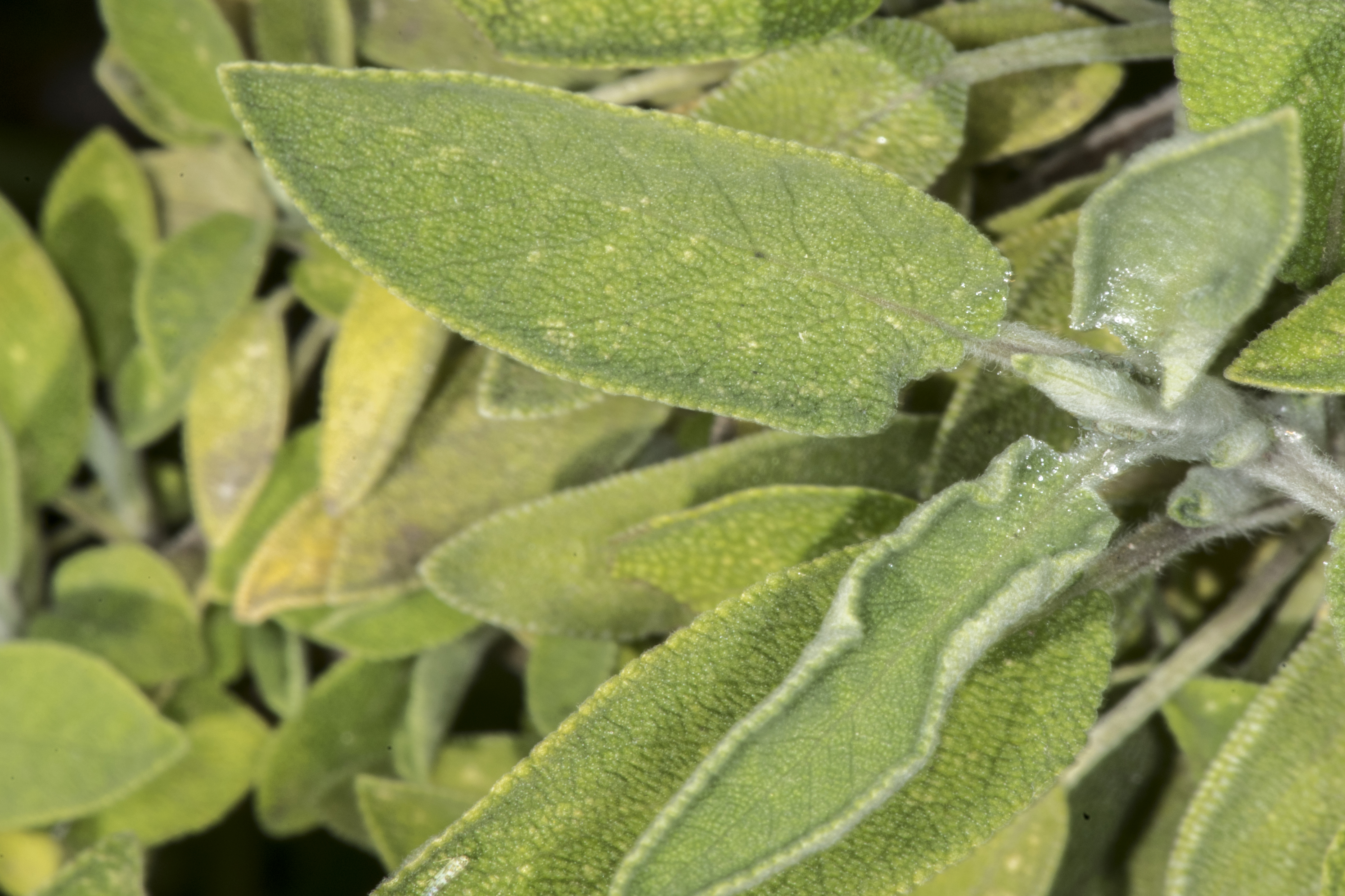
Common Name: American elderberry; Elder
Identifying Character: ;
Distribution: native to Europe, North Africa, western Asia, Introduced elsewhere. In hedgerows, woodland edges, on nitrogen- -rich soils to 1000m altitude.;
Medical Uses: Lungs; Lymphatic; Fresh shoots cooked like chicory powerful purgative;
Details

Common Name: blue skullcap; Scullcap
Identifying Character:
Distribution:
Medical Uses:
Details

Common Name: milk thistle; Holy Thistle; Marian Thistle; Marystistle; Milk-thistle; St; Mary's Thistle; Wild Artichoke
Identifying Character: L Gaertn, COMPOSITAE; Annual or Biannual Stem:30 -150 cm Tall Erect, prominently grooved, seldom branched. Leaves:Large, oblong, shiny, variegated and very spiny, sessile or clasping. Flowers:Violet-purple, Thistle-like to 5 cm lon, usually solitary and surrounded at the in a hemispherical capitula base by long spiny appendages. Late summer to early autum. Root: Fruit:Blackish, specked, ovovoid achene wigh a long white papp Taste: Odour:
Distribution: Native to central and west Europe, Introduced and naturalized in California and elsewhere. Naturalised to Britain. Dry rocky soils, stony soils to 600m altitude.
Medical Uses: Whole Plant, Appetite stimulant; Digestive, Dyspepsia, Liver said to regenerate tissue, Gall bladder; Stimulate flow of Bile, Powdered Seed: Taken in emulsion are markedly Choleretic and used in cardiovascular disorders, Jaundice , Gallstones colic; Leg Ulcers , Variscose Veins .
Details
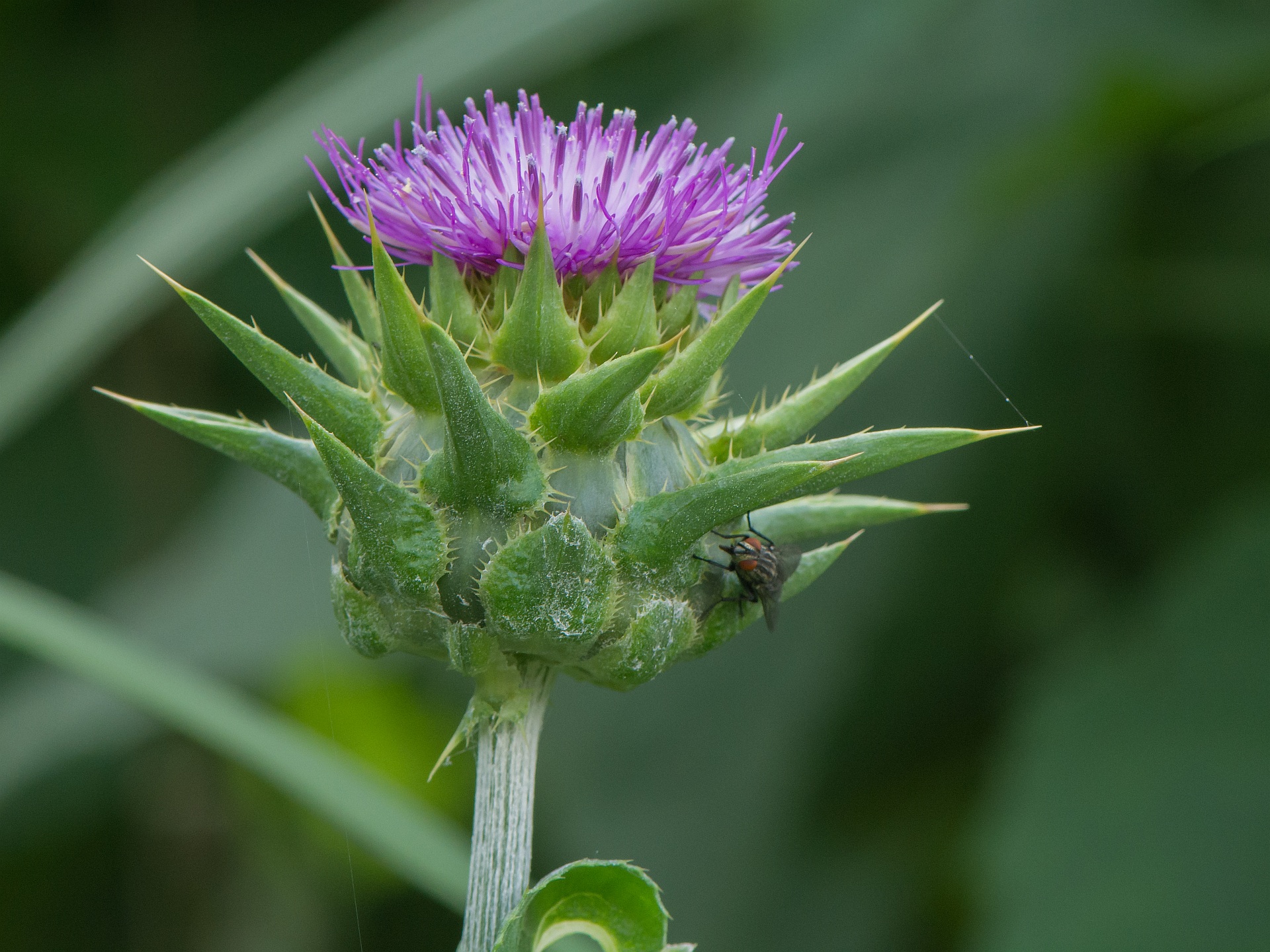
Common Name: milk thistle; Holy Thistle; Marian Thistle; Marystistle; Milk-thistle; St; Mary's Thistle; Wild Artichoke
Identifying Character: L Gaertn, COMPOSITAE; Annual or Biannual
Distribution: Native to central and west Europe, Introduced and naturalized in California and elsewhere. Naturalised to Britain. Dry rocky soils, stony soils to 600m altitude.
Medical Uses: Whole Plant, Appetite stimulant; Digestive, Dyspepsia, Liver said to regenerate tissue, Gall bladder; Stimulate flow of Bile, Powdered Seed: Taken in emulsion are markedly Choleretic and used in cardiovascular disorders, Jaundice , Gallstones colic; Leg Ulcers , Variscose Veins .
Details
Common Name: Common Goldenrod; Meadow Goldenrod; Tall Goldenrod
Identifying Character: Perennial (2-6 ft), erect hairy stem, lance-shaped leaves with serrated edges, bright yellow flower clusters in panicles, blooming late summer
Distribution: Native to North America, naturalized in Europe and Asia
Medical Uses: Used for urinary tract infections, kidney stones, inflammation, sore throats, and as a mild diuretic; roots for wounds, leaves for tea
Details
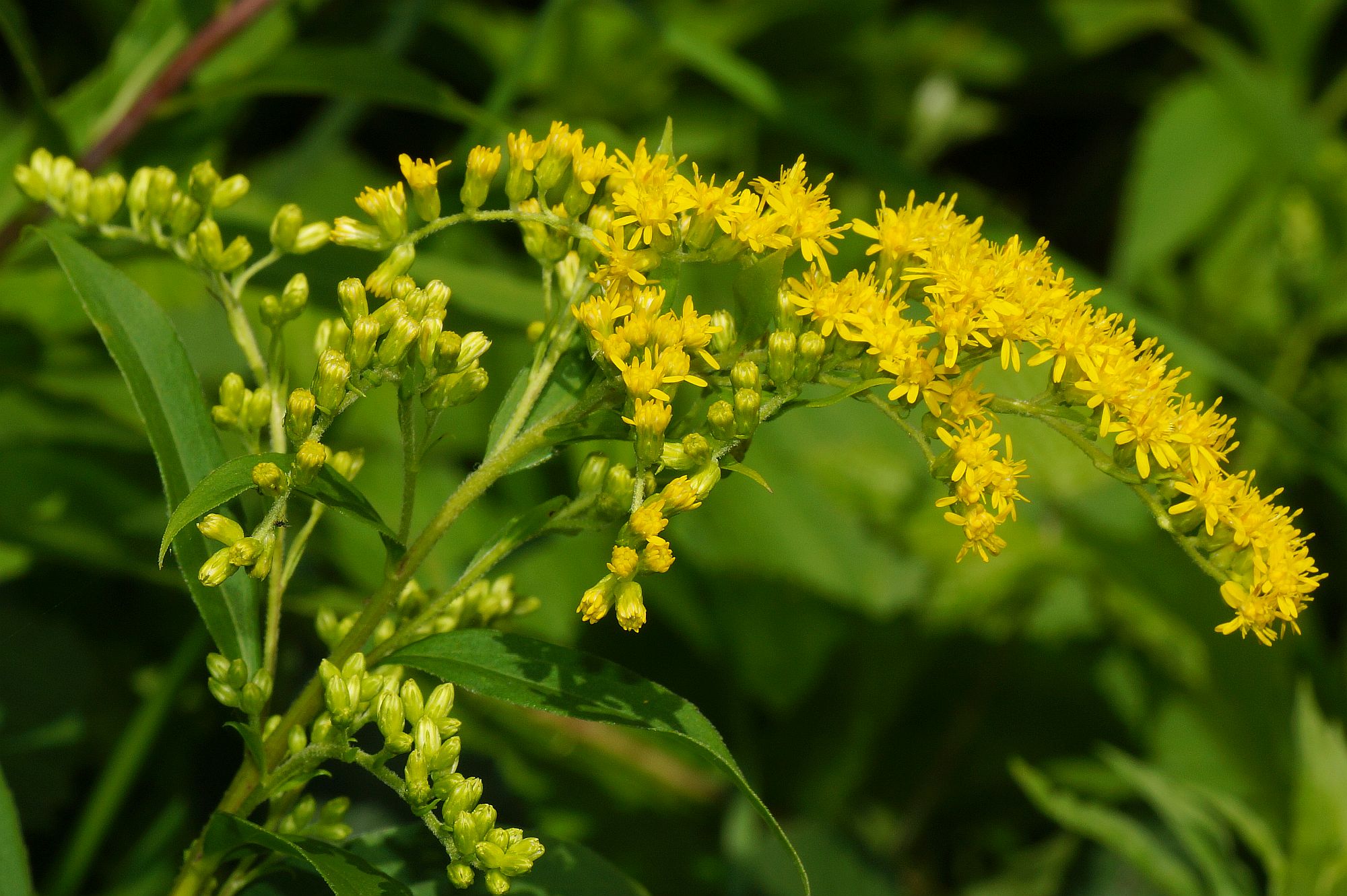
Common Name: Benzion; Bum Benjamin; Gum Benzoin; Sumatra Benzoin; Benjamin'
Identifying Character: Evergreen tree (up to 7 m), rough tomentose branches, simple alternate leaves, white flowers in drooping clusters
Distribution: Native to south-east Asia, especially Sumatra; in mixed forests close to rivers.
Medical Uses: Antiseptic Genito-urinary; Bronchitis Chronic, Expectorant Mildly; Skin poltices, plasters, directly in tincture; Mouth wash diluted; Mucous membranes, stimulating;
Details

Common Name: New England aster; Michaelmas Daisy; Late Purple Aster
Identifying Character: Perennial (2-6 ft), erect hairy stem, lance-shaped leaves with serrated edges, violet-purple flower heads with yellow centers (1-2 in), blooming late summer to fall
Distribution: Native to eastern North America, naturalized elsewhere
Medical Uses: Used for respiratory issues, urinary tract support, inflammation, and as a mild astringent; roots for colds, leaves for tea
Details

Common Name: common comfrey; Knitbone; Boneset; Ass Ear
Identifying Character: Perennial (1-3 ft), erect bristly stem, large lance-shaped leaves, bell-shaped purple or blue flowers (0.5-1 in), blooming spring to summer
Distribution: Native to Europe and Asia, naturalized in North America
Medical Uses: Used for wound healing, bruises, sprains, fractures, inflammation, and digestive ulcers; roots for poultices, leaves for tea
Details
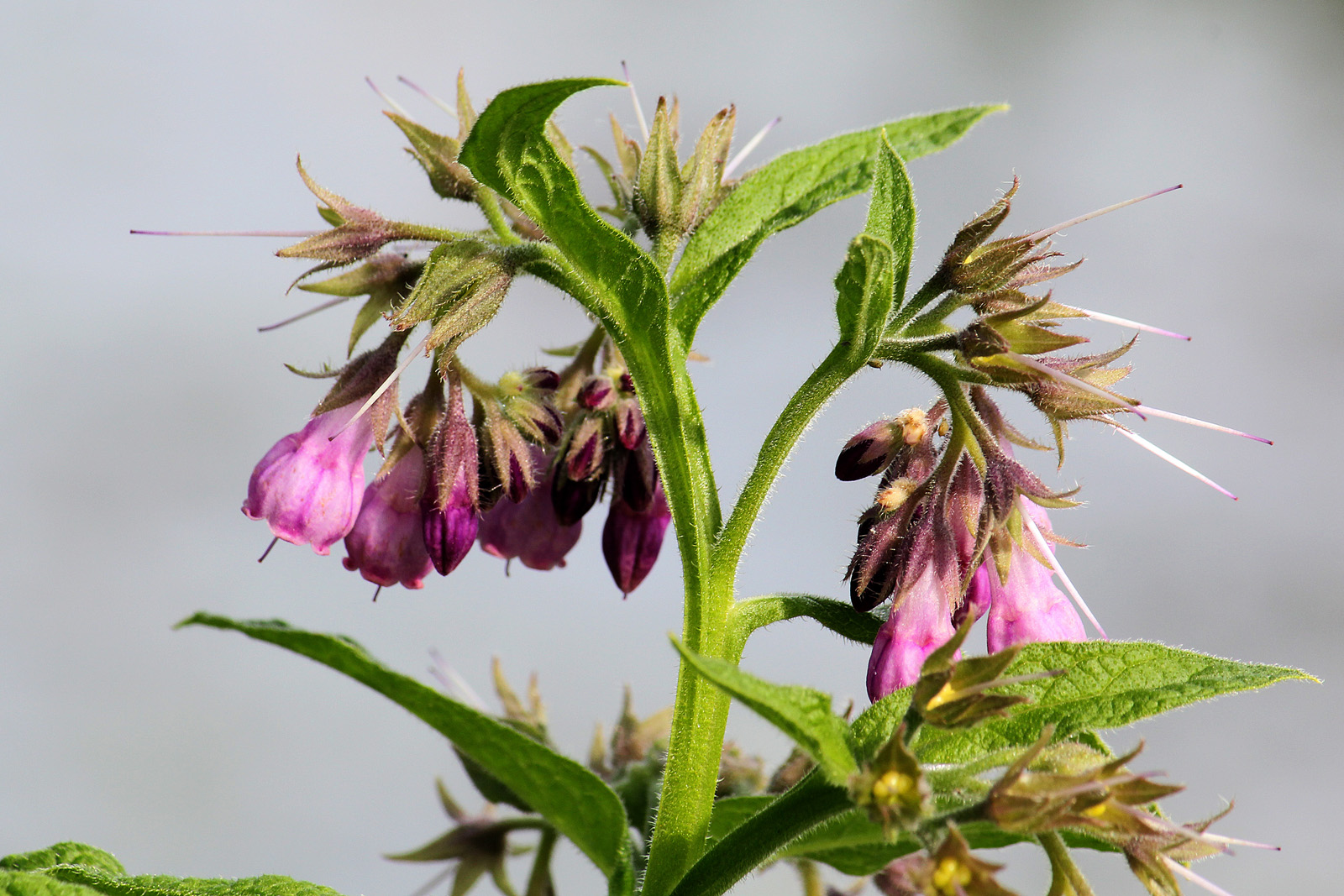
Common Name: common lilac; French Lilac; Persian Lilac
Identifying Character: Large shrub (6-20 ft), smooth grey-brown bark, heart-shaped leaves, fragrant purple or white flower clusters
Distribution: Southeastern Europe, naturalized worldwide
Medical Uses: Used for fever, infections, mild sedation, and as a diuretic; flowers for respiratory health
Details

Common Name: African marigold; Mexican Marigold; Aztec Marigold; Flor de Muerto
Identifying Character: Annual (1-3 ft), erect hairy stem, pinnate leaves with serrated leaflets, bright yellow or orange flower heads (2-4 in), blooming summer to fall
Distribution: Native to Mexico and Central America, cultivated worldwide
Medical Uses: Used for wounds, inflammation, digestive issues, and as a mild antiseptic; flowers for tea or poultices
Details
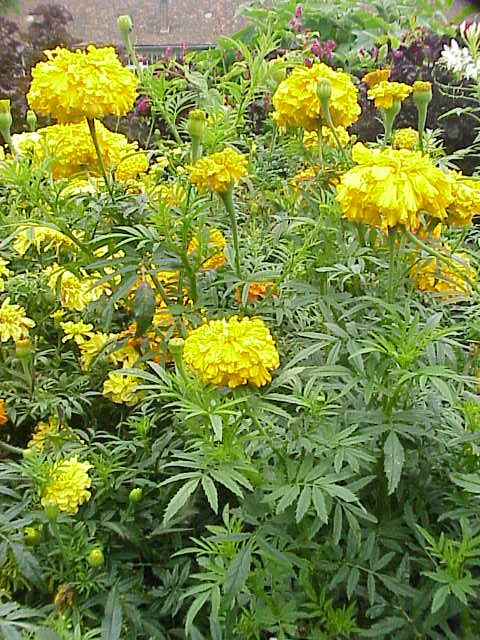
Common Name: tansy
Identifying Character:
Distribution:
Medical Uses:
Details
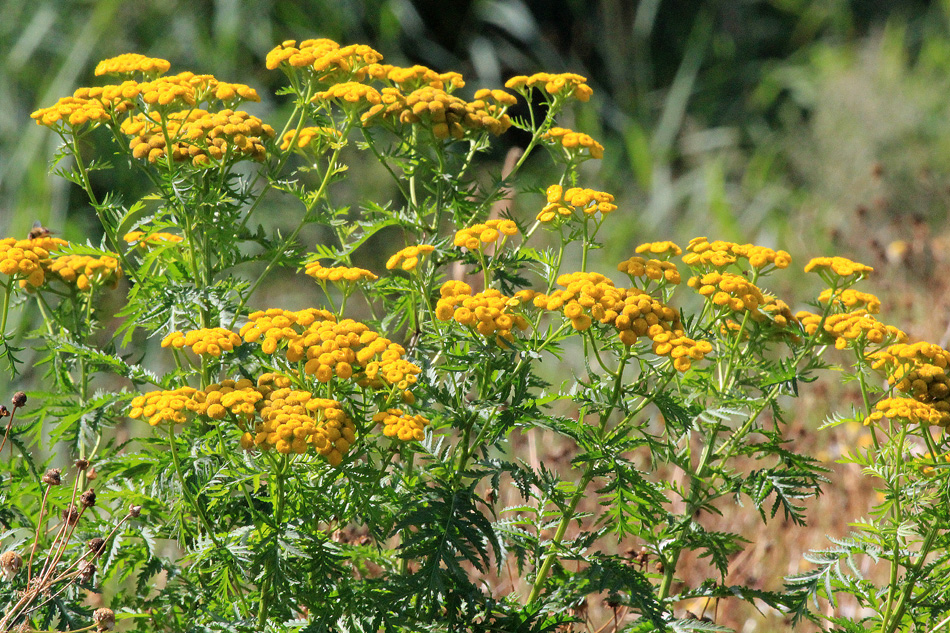
Common Name: Dandilion, Common Dandelion, Lion\'s Tooth
Identifying Character: Perennial herb (2-18 inches), rosette of leaves, hollow stem with milky sap, bright yellow flower heads, blooming May-October
Distribution: Native to Europe, Asia; naturalized across North america
Medical Uses: Greens purify and alkalize bloodstream, root ceans elimation organs, balance blood surgar levels, diabeties, dyspeptics anemia, Latex for worts arthritis pains Coffee replaciment (roasted root) infusion of fresh root stimulates flow of bial, gal and urine. during flowering stage leaves - skin desease, anemia, tooth enamel formateions, chronic arthritis, gout , stiff joints. Jhon lust 8 week Dandelion cure. 1 table spoon fresh root& leave brought to paoi and steeped in 1/2 cup water 1st main tea 2 days with 3 tablesppon of juice of root and leaves drucken in water at intervals, freash leave eaden with salad Warts - Milk (from Stem) epotides applied to wart
Details
Common Name: Greater Meadow Rue; French Meadow Rue
Identifying Character: Perennial herb (2-4 ft), erect stems, compound leaves resembling columbine, fluffy purple or white flower clusters
Distribution: Europe, Asia, North America (temperate regions)
Medical Uses: Used for fever, spasms, urinary issues, and as an astringent; root for rheumatism
Details

Common Name: common thyme; Garden Thyme; German Thyme; English Thyme
Identifying Character: Perennial shrub (6-12 in), woody base, erect stems, small oval leaves, pink to purple flower clusters (0.5 in), blooming summer
Distribution: Native to the Mediterranean, cultivated worldwide
Medical Uses: Used for respiratory infections, coughs, digestive issues, and as a mild antiseptic; leaves for tea or poultices
Details

Common Name: Alsike Clover
Identifying Character:
Distribution:
Medical Uses:
Details
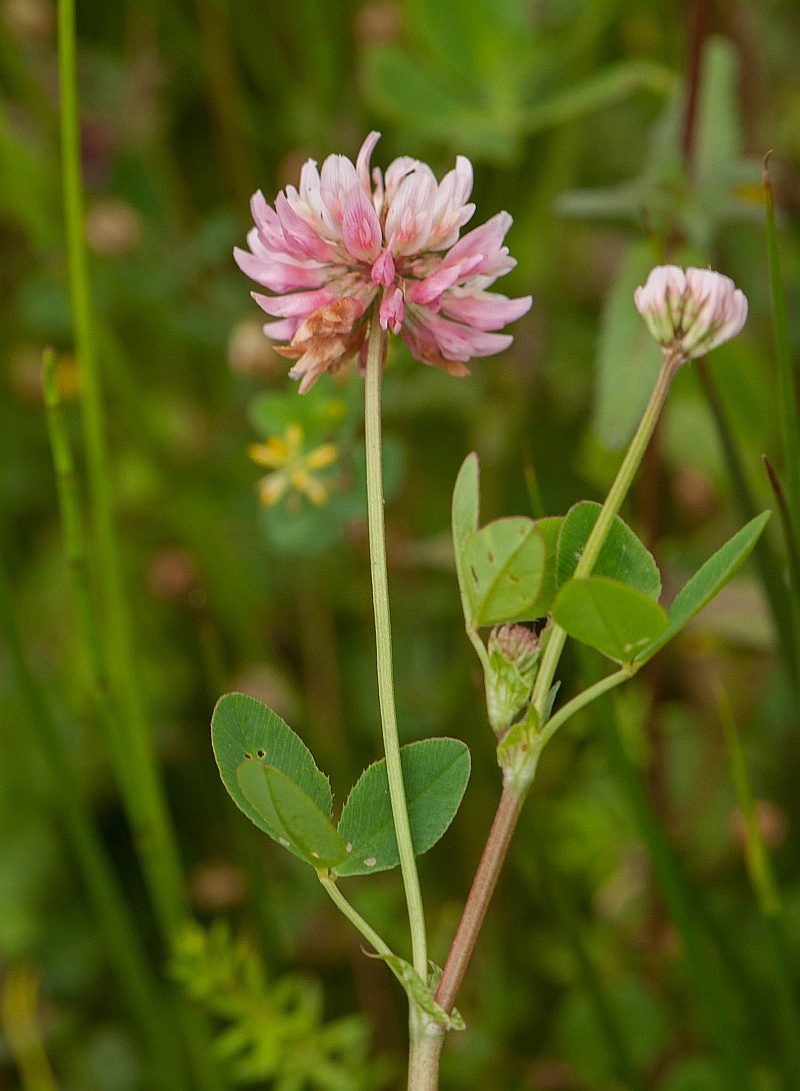
Common Name: red clover
Identifying Character:
Distribution:
Medical Uses:
Details

Common Name: coltsfoot; Cough Wort; Horse Hoof
Identifying Character:
Distribution:
Medical Uses:
Details
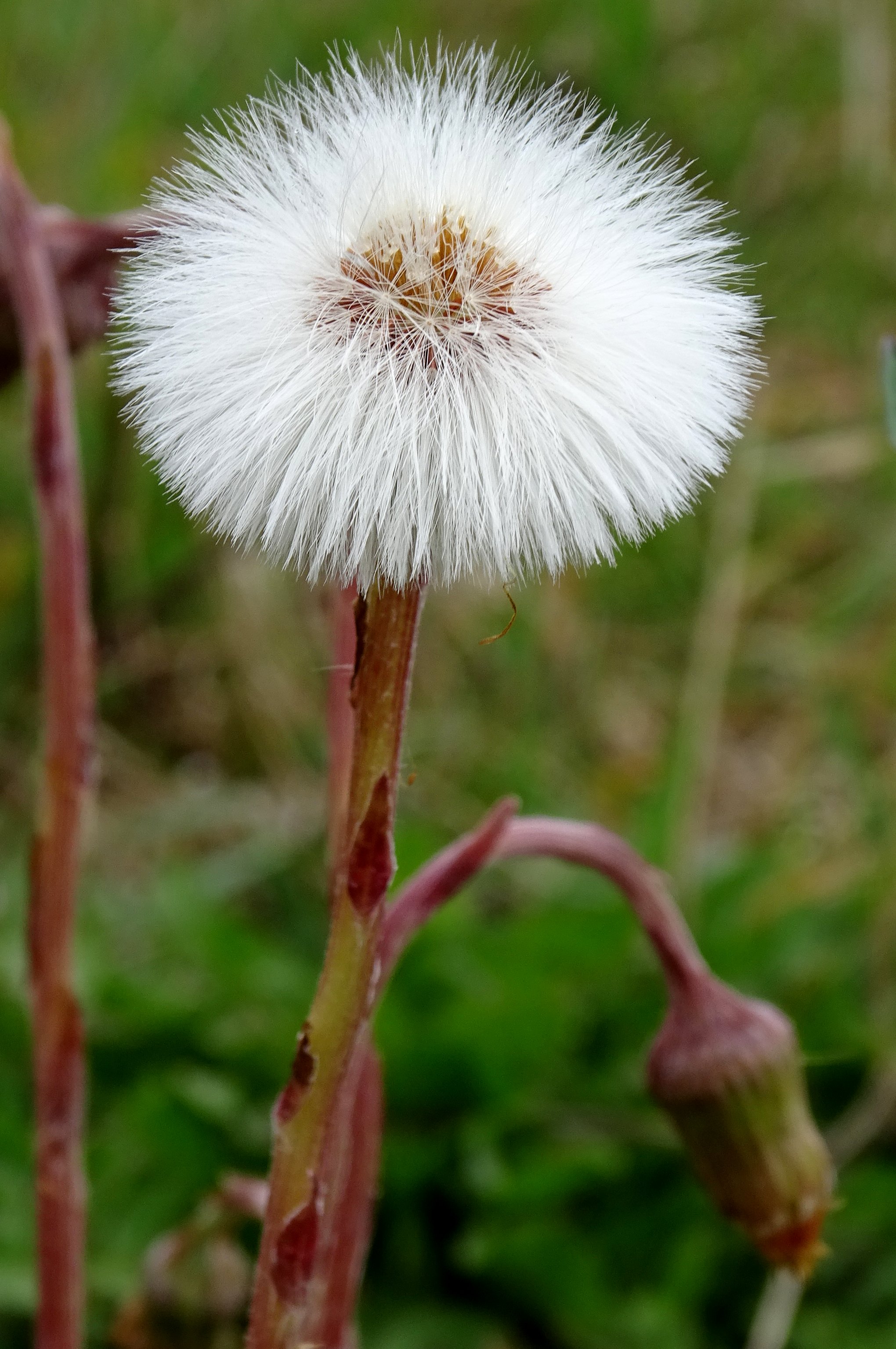
Common Name: slippery elm
Identifying Character:
Distribution:
Medical Uses:
Details
Common Name: great nettle; stinging nettle; common stinging nettle; great stinging nettle; common nettle; nettle
Identifying Character:
Distribution: Nine of thirty species of Urtica, a herbaceous plant or shrub of the Urticaceae family, are found i
Medical Uses: The Indians used Nettle as a counter-irritant when in pain, by striking affected parts with the branches. A root decoction was made to bathe rheumatic pains and joint stiffness. Pounded leaves rubbed on limbs, and hot poultices of the bruised leaves were also used to dress rheumatic discomfort. Nettle is an excellent styptic, checking the flow of blood from the surface almost immediately upon application of the powdered root or leaves softened and bruised. (If the fresh leaves are left on too long they will encourage water blisters.) For spitting of blood and all haemorrhages of the lungs, stomach and urinary organ, this is one of the most powerful agents in the vegetable materia medica. Dr. George P. Wood, M.D., and Dr. E. H. Ruddock, M.D., ''Vitalogy'' (1925) relay the following: ''For haemorrhages the express juice of the fresh leaves is regarded as more effective than the decoction, given in teaspoonful doses every hour or as often as the nature of the case requires.'' In decoction, Nettle is valuable in diarrhoea, dysentery, piles, neuralgia, gravel, inflammation of the kidney. Tea made from the young or dried root is of great help in dropsy of the first stages. A herbal Nettle tea will expel phlegm from the lungs and stomach and will clean the urinary canal. The seeds are used in coughs and shortness of breath.J. Kloss, in ''Back to Eden'', says: ''Use nettle simmered for 30 minutes and massage into the scalp after rinsing the hair to bring back the natural colour.'' For those suffering from rheumatism, without any relief, rub or stick the troubled part with fresh nettles for a few minutes daily. The relief of joint pain will often surrender to a few moments of unpleasant stinging. Krapiva (Nettle) grows everywhere in Russia. After 300 years modern science has established and gives credit to one of the secrets of Nettle as an antiseptic.
Details
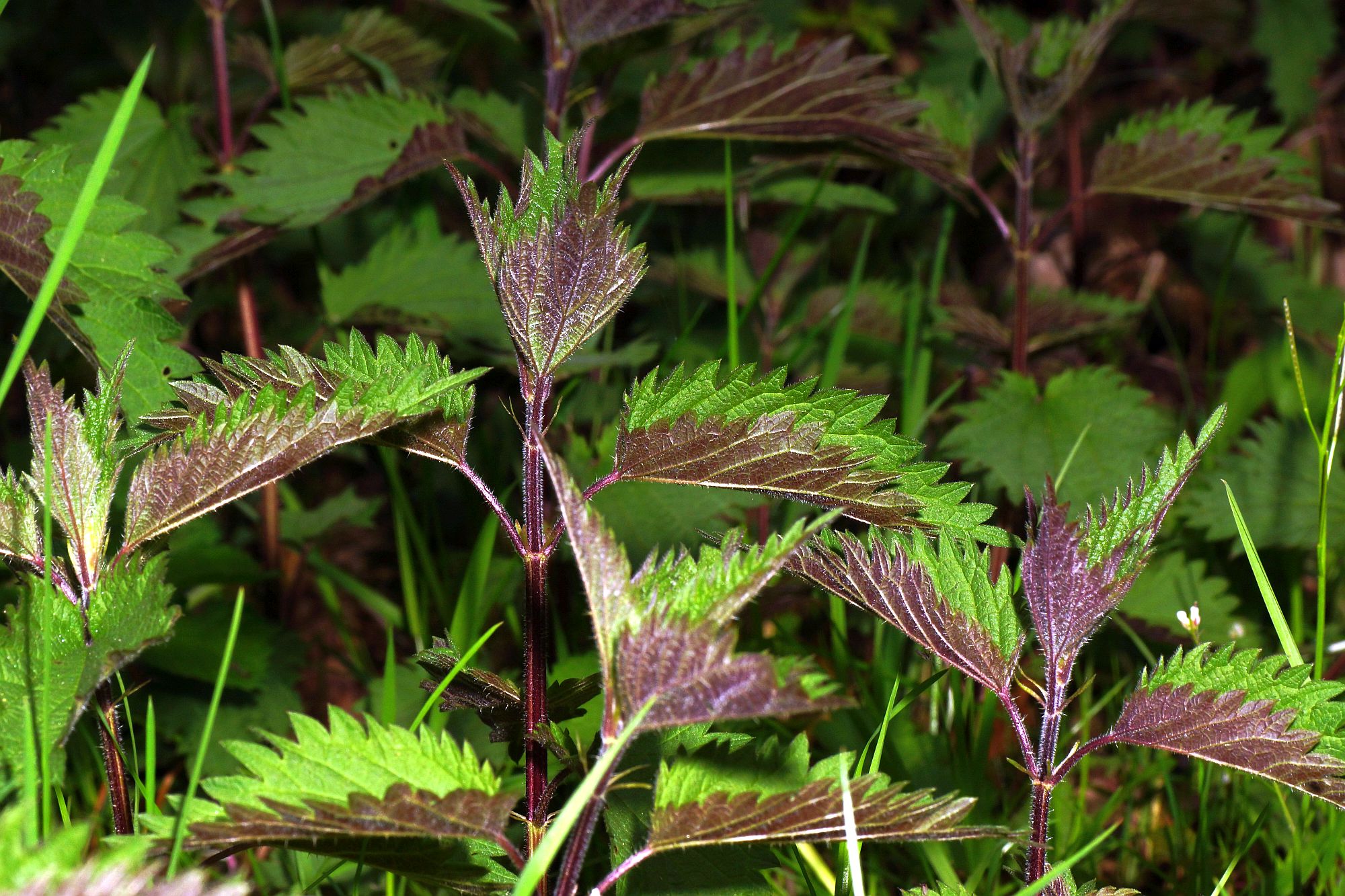
Common Name: Akalyphe (Greek); Common Nettle; Common Stinging Nettle; Great nettle, ; Great stinging nettle, ; Nettle, ; Stinging nettle; Bichu (India ); Chicru (Pacistan );
Identifying Character: Perennial; Dioecious; Herbaceous. 9 of 30 species of Urtica found in the US and Canada STEM: Up to 3 ft. 80 - 180 cm, dull green usually covered with stinging hairs, which prick the skin and emit a acrid fluid when touched, causing pain. Obtusely 4- angled; branching, LEAVES: Are course, opposite, peniolate, conrdate, lance-ovate, spreading, conspicuously acuminate, coarsely and acutely serrate, the pint entire, areusnt with sting, 3 tp 4 " 14 cm long and 1.5 to 2 inches wide. FLOWERS: Small green from June to September ROOT: FRUIT: TASTE: ODOUR:
Distribution: Eurasian native; Common to Europe and North America. Growing in waste places,m nutrient rich wood sides, in hedges, gardens to 2700 M Altitude;
Medical Uses: Blood purifier. ; Blood pressure, Lower slightly; Blood-sugar lower; Cholera infantum; Chronic diseases of the colon; Corpulence; Cystitis Chronic; Diarrhoea ; Digestive Stimulant; Dropsy ; Dysentery ; Eczema. , "Face, Neck, Ears; Ferbile Affections; Goiter; Gravel, urinary; Hair loss promote growth; Hematuria; Hemorrhages (lungs ); Hemorrhoids ; Hypotensive; jaundice; Laxative; menstrual Flow, Excessive; Milk, stimulate Flow in nursing mothers; Nephritic complaints; Nose Bleeds Snuff of dried powdered Leaves; Rheumatism. , root bath; Stypic, ; Warts; Urticaria;
Details
Common Name: Akalyphe (Greek); Common Nettle; Common Stinging Nettle; Great nettle, ; Great stinging nettle, ; Nettle, ; Stinging nettle; Bichu (India ); Chicru (Pacistan );
Identifying Character: Perennial; Dioecious; Herbaceous. 9 of 30 species of Urtica found in the US and Canada
Distribution: Eurasian native; Common to Europe and North America. Growing in waste places,m nutrient rich wood sides, in hedges, gardens to 2700 M Altitude;
Medical Uses: Blood purifier. ; Blood pressure, Lower slightly; Blood-sugar lower; Cholera infantum; Chronic diseases of the colon; Corpulence; Cystitis Chronic; Diarrhoea ; Digestive Stimulant; Dropsy ; Dysentery ; Eczema. , "Face, Neck, Ears; Ferbile Affections; Goiter; Gravel, urinary; Hair loss promote growth; Hematuria; Hemorrhages (lungs ); Hemorrhoids ; Hypotensive; jaundice; Laxative; menstrual Flow, Excessive; Milk, stimulate Flow in nursing mothers; Nephritic complaints; Nose Bleeds Snuff of dried powdered Leaves; Rheumatism. , root bath; Stypic, ; Warts; Urticaria;
Details
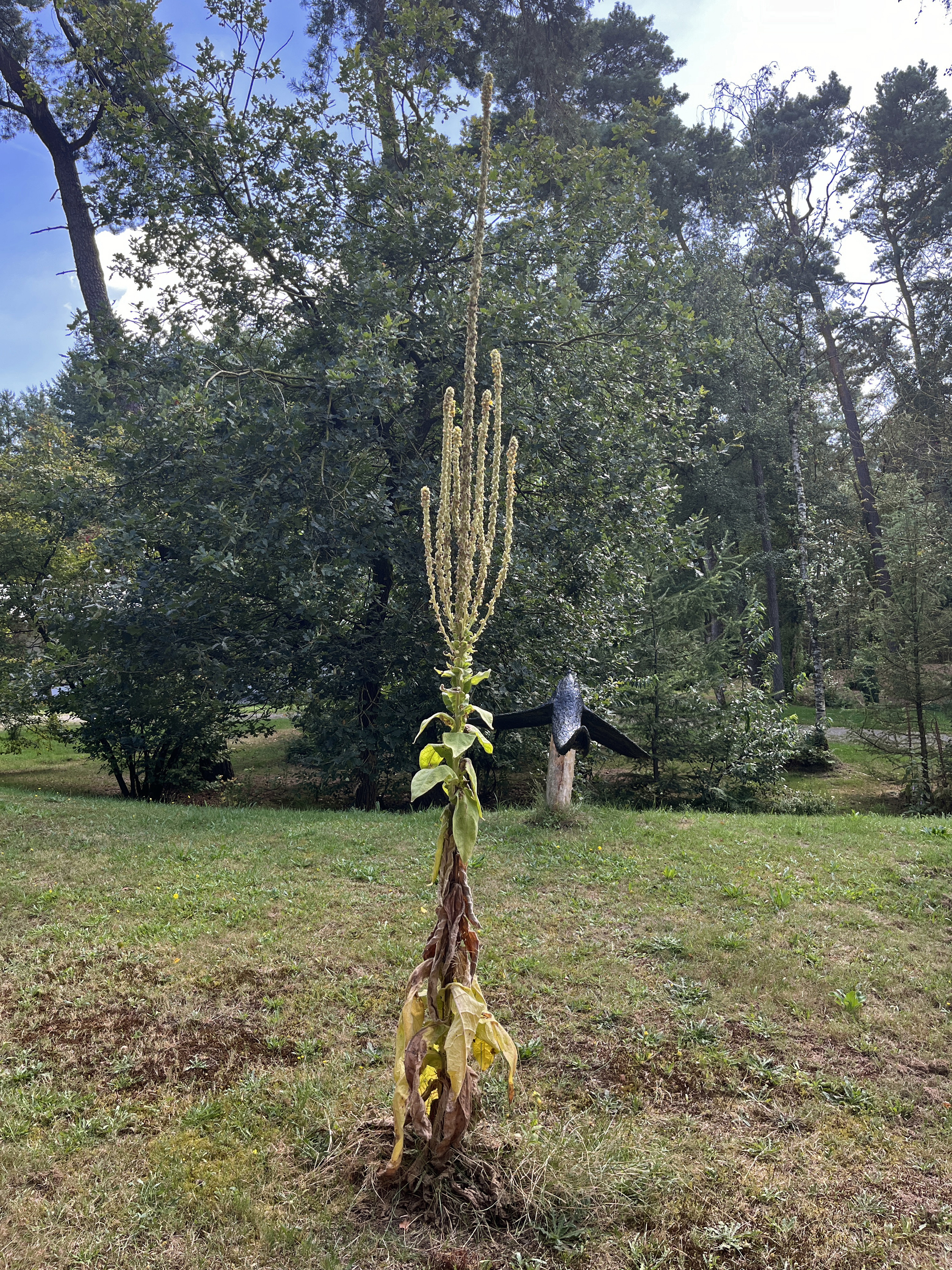
Common Name: common mullein; Mullien Aarron's rod; Aaron's rod leaf; Adam's flannel; Beggar's blanket; Beggar's stalk; Blanket herb; Blanket leaf; Bullock's lungwort; Bull ears; Bunny's ears; Candlewick; Clowns's lungwort; Cow's lungwort; Cuddie's lungs; Donkey's ears; Duffel; Feltwort; Flannel leaf; Flannel flower; Fluff weed; Gorches; Gordolobo (Spanish); Har's bear; Har's beard; Hedge-ta- per; Hungwort; Jacob staff; Jupiter's staff; Great Mullein; Mullein Dock; Old Man's Fennel; Old Lady's Flannel; Peters staff; Pig taper; Rag taper; Shepherd's club; Torch weed; Hedge-taper; Velvet dock; Velvet leaf; Velvet plant; Verbascum flowers; White mullein; *Wollkraut (Germ.); Wood blade; Woolen blanket herb
Identifying Character: Biennial;
Distribution: Eurasian, native, naturalized in some temperate zones, stony ground, shallow will drained, nitrogen-rich soils, wasteland, woodland clearings, and roadsides.
Medical Uses:
Details
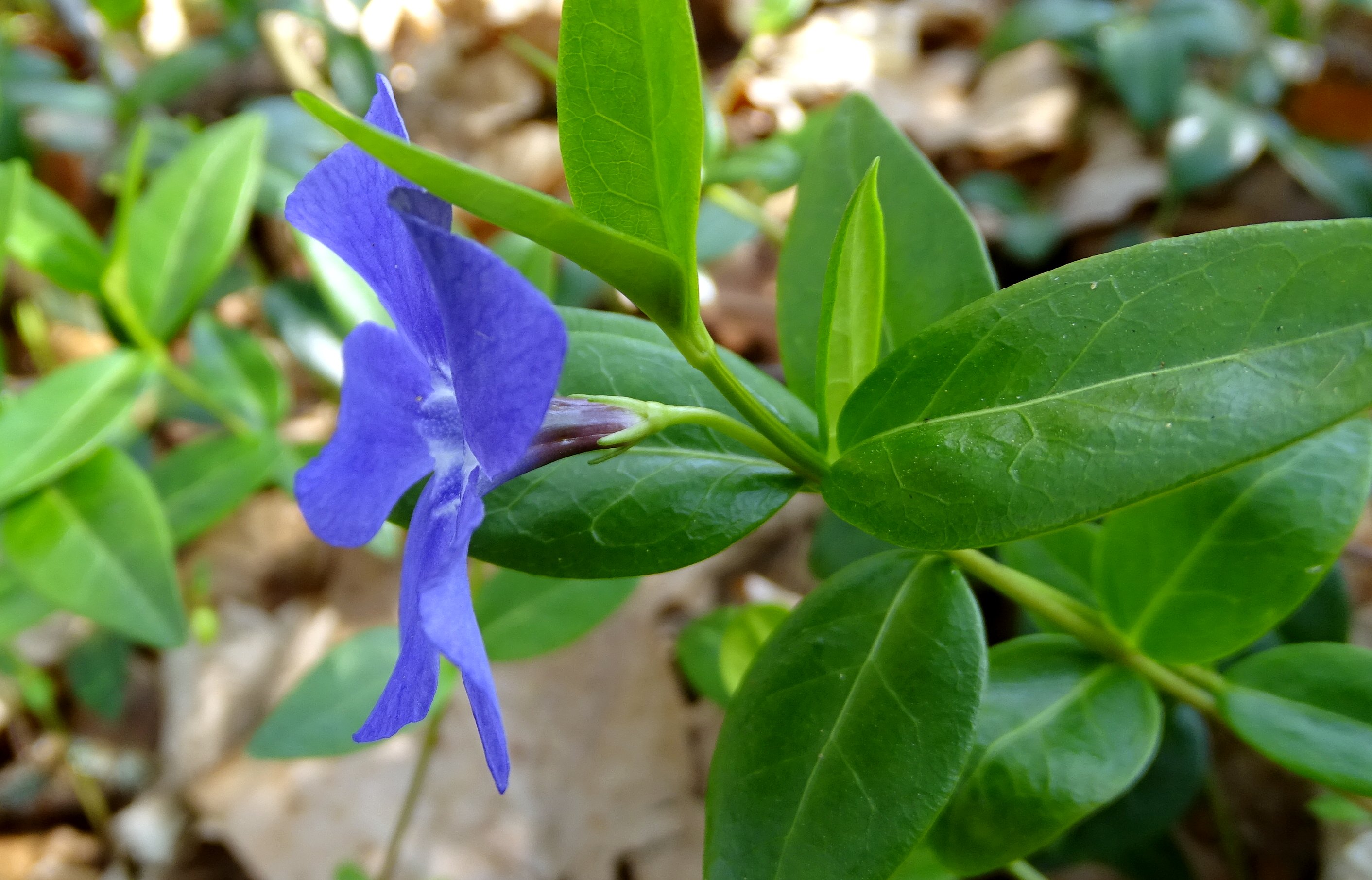
Common Name: lesser periwinkle; Common Periwinkle; Earlyflowering; Evergreen; Herbe ' la Capucine; Herbe de Fid'lit'; Myrtle; Petite Pervenche; Pervenche Mineure; Small Periwinkle; Vinca minor; Vincae Minoris Herba; Vincapervinca; Violette des Morts; Violette de Serpent; Violette de Sorcier; Wintergreen
Identifying Character:
Distribution:
Medical Uses:
Details
Common Name: Common Violet; English Violet
Identifying Character: Low-growing perennial (4-8 inches), heart-shaped leaves, fragrant purple or white flowers, creeping stems
Distribution: Europe, North Africa, naturalized in North America
Medical Uses: Used for coughs, bronchitis, urinary issues, skin inflammation, and mild sedation; flowers for respiratory health
Details